Anthropologist: Basements and Garages in Eastern Estonia Help Residents Hold On to Identity
Spanish anthropologist Francisco Martínez, in a book based on five years of research in Ida-Virumaa, describes basements, garages and dachas as places where residents find freedom from social pressure. He argues the region shows that Estonian society is not homogeneous.
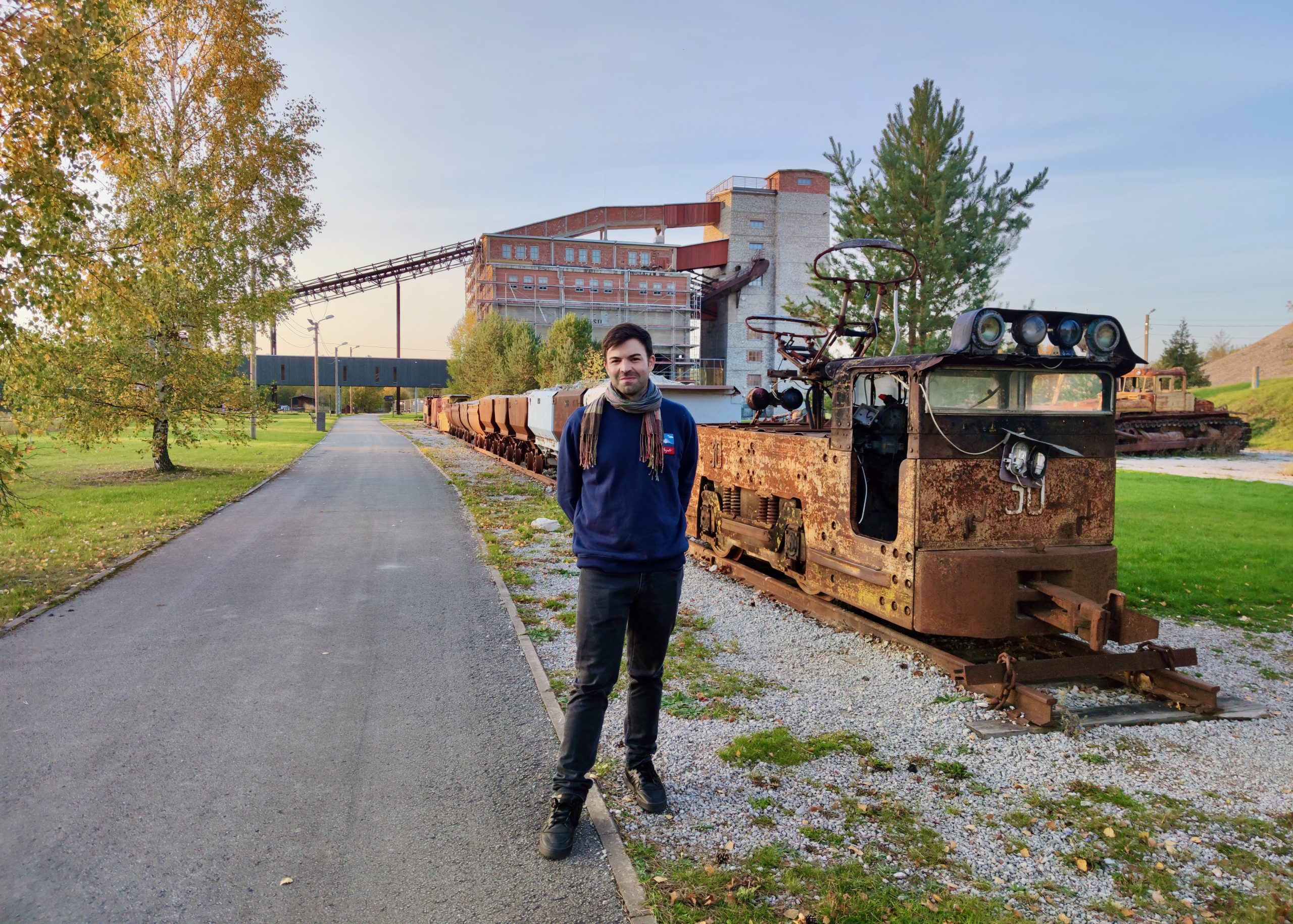
Anthropologist Francisco Martínez has published The Future of Hiding, a book about Ida-Virumaa, the north-eastern region of Estonia that borders Russia. It draws on five years of research. In an interview with Marian Võsumets, he explains that basements, garages, bunkers and dachas let local people preserve memories, try out different versions of themselves and feel at ease. In his view, these hidden spaces show how people negotiate belonging and what being Estonian means.
Why “Estonia’s Siberia”
The book's subtitle uses the phrase “Estonia's Siberia”. Martínez says some of his informants used it, for example Estonian-language teachers who moved there for work. The label was also used in the 1930s, when oil shale mining created economic opportunities. Because the government of the time did not want Estonians to migrate to growing cities, workers arrived from other countries, and Finnish, Polish, Swedish and Latvian could be heard in Kiviõli, Järve and Narva.
Hiding as autonomy
Martínez stresses that hiding does not mean disappearing but having a space where one need not explain oneself or perform an identity. He says that since the war in Ukraine began, local residents have been treated as a geopolitical risk regardless of their views. The removal of Soviet monuments, the loss of voting rights for holders of grey passports and changes to school language policy, he argues, have not helped people feel part of the country and have fed mistrust of institutions.
He also sees garages and basements as places for experiment, comparable to an artist's studio, where failure is allowed. Entire regions, he adds, can function as “geopolitical basements” where unresolved conflicts and uncomfortable memories are stored.
Difficulties of the research
Martínez gained access to private spaces by speaking Russian and approaching people without judgement. Some took him for a thief or a spy, and at times he had to listen to opinions supporting the war, which he says also helps explain the region's mood.