The hidden Apple Watch feature that gives a deeper look at your heart
Many Apple Watch owners overlook the built-in ECG app, which offers a far more detailed heart analysis than the standard heart rate monitor. The tool is available on most recent models, though not in every country.
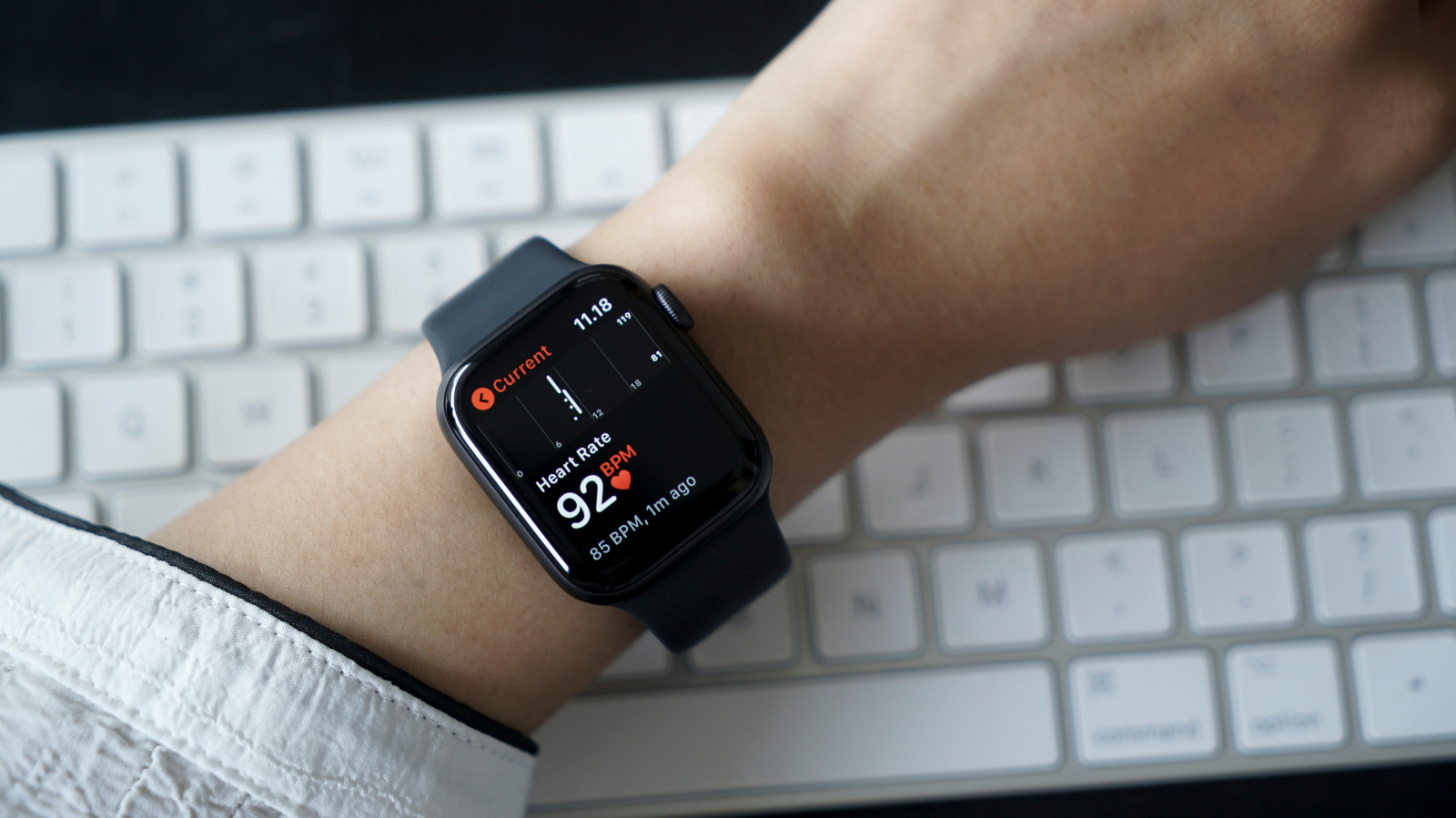
With so many features packed into the Apple Watch, it's easy for some tools to go unnoticed — including the built-in ECG, or electrocardiogram, app that allows for much deeper insight into heart health than the standard heart rate monitor.
While the regular monitor only flags when a heart rate is too fast or too slow, the ECG app measures the heart's electrical signals, tracing each stage of a heartbeat to paint a far more detailed picture. The feature is not designed to detect heart attack symptoms and should not replace medical attention when something feels wrong.
Availability and setup
The ECG app works on all Apple Watch Series 4 and later, excluding SE models, as well as all Ultra models, provided the watch and phone are running the latest watchOS and iOS versions. The feature is restricted in a number of countries, particularly across Eastern Europe, Africa, Central and South America, and the Middle East, due to local regulations.
Setting it up requires opening the Health app, finding the ECG section and following the on-screen instructions. To take a reading, the watch should fit snugly on the wrist, the arm should rest comfortably, and a finger should stay on the Digital Crown — without pressing it — for 30 seconds.
Understanding the results
Depending on regional rules, users may have either version 1 or version 2 of the app, which can be checked through the watch or Health app settings. Possible outcomes include sinus rhythm, meaning a steady heartbeat between 50 and 100 beats per minute; atrial fibrillation, or AFib, an irregular rhythm that warrants a doctor's visit; an unusually low or high heart rate that prevents AFib detection; and inconclusive or poor recording results, often caused by movement, moisture or a loose-fitting watch. Repeated unclear or concerning readings should prompt a consultation with a doctor.