Your Apple Watch calorie tracker is an educated guess, not a fact
Research shows that the Apple Watch and other wearables cannot accurately measure calorie expenditure, as they rely on proxy data and algorithms rather than direct metabolism measurement.
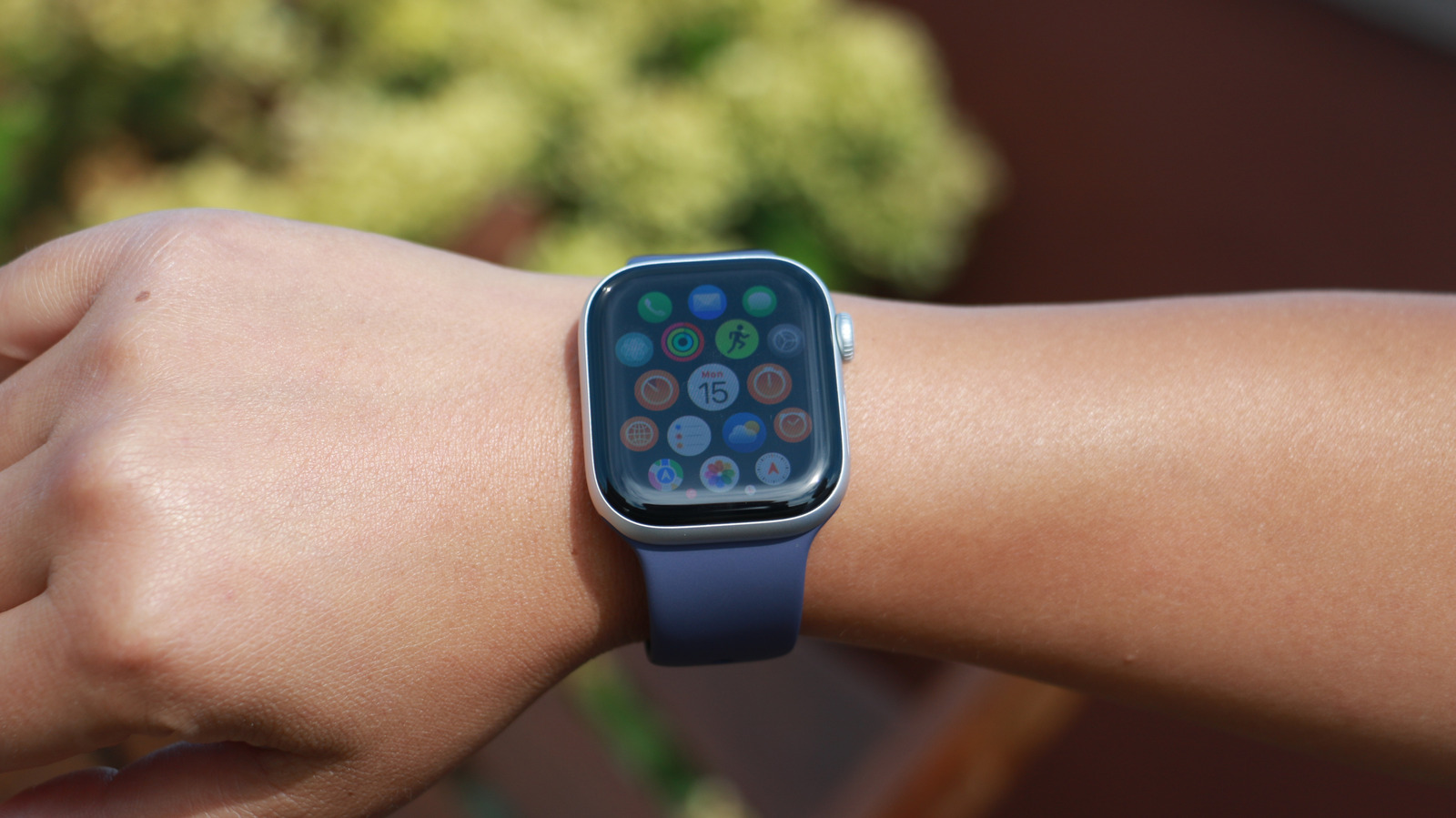
Since its 2015 launch, the Apple Watch has seen steady improvements, but its calorie tracking remains unreliable. The same issue plagues many other smartwatches and fitness trackers, because estimating energy expenditure is far more complex than measuring heart rate.
Studies confirm inaccuracy
A 2024 study by Stanford University School of Medicine involving 60 volunteers tested seven devices, including the Apple Watch, Fitbit Surge, Microsoft Band, and Samsung Gear S2. While heart rate measurements were accurate, calorie estimates were far less so. The most accurate tracker was off by an average of 27%, and the least accurate by a staggering 93%, compared to a medical-grade electrocardiograph. Senior author Dr. Euan Ashley said he was surprised by the magnitude of the errors.
Why wearables can't track calories precisely
The core issue is that smartwatches cannot measure metabolism directly. Instead, they use proxies like heart rate, distance, and motion sensors, then apply machine learning algorithms to estimate calorie burn. Anna Shcherbina, an assistant professor involved in the Stanford study, noted that training an algorithm to work accurately across diverse people is very difficult, since energy expenditure varies with fitness level, height, weight, and other factors.
Recent findings and additional factors
A study published in Nature also found that the Apple Watch and similar devices cannot be relied upon for accurate calorie data. The problem compounds when multiple sensors are combined, as errors from individual inputs add up. Furthermore, factors like skin tone and moisture levels can affect sensor accuracy.
How smartwatches detect exercise
The Apple Watch uses motion sensors (accelerometer, gyroscope), GPS, and heart rate data to identify activity type. Machine learning algorithms analyze step cadence, movement speed, and heart rate patterns – for instance, a low, steady heart rate with slow steps indicates walking, while repetitive movements suggest rowing. Regardless of the exercise, however, the calorie count remains an educated guess.