Surveys show Latvian language gaining importance in daily life as state tightens language policy
On State Language Day, new surveys and policy updates were summarised: after the switch to Latvian-language schooling, 66% of pupils whose first language is not Latvian say their skills help in daily life. Penalties have also been raised and public media rules changed.
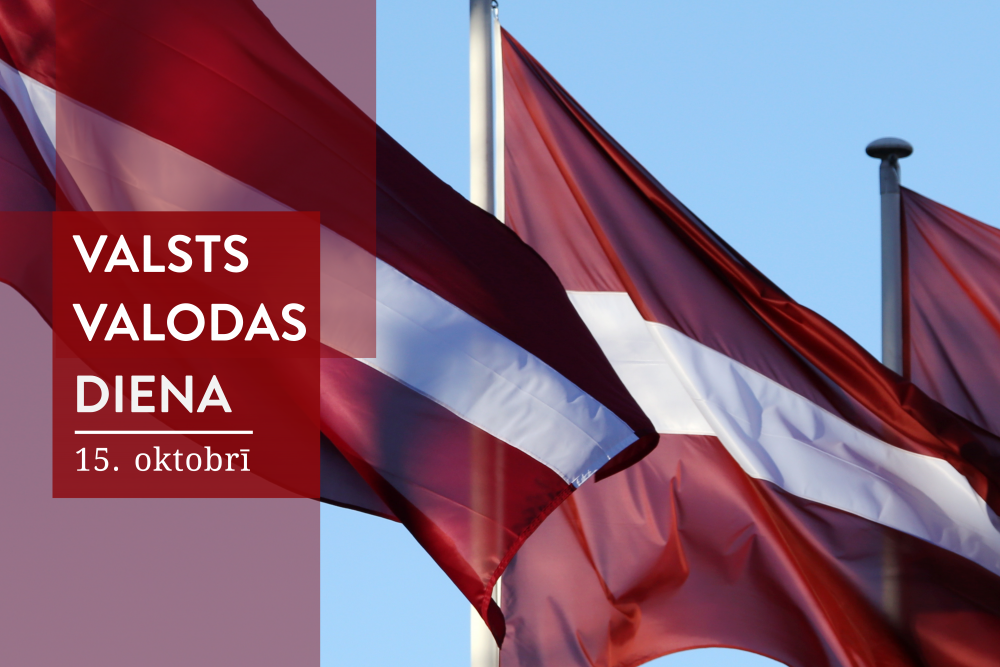
In Latvia, State Language Day brought a round-up of the latest surveys and of government efforts to strengthen the Latvian language, including legal changes and planned measures. The data suggest that the language's role in everyday life and public expectations of its quality are growing.
School reform and survey
One of the most significant recent changes is the move to teaching in the state language, known as the unified school. It began in 2023 and was completed on 1 September 2025, when the last grade groups in minority education programmes started studying only in Latvian.
To assess the reform, a survey was carried out in late 2025 among more than 10,000 respondents from 100 schools and 163 preschools in 24 municipalities. Results were considered broadly positive. Among pupils whose first language is not Latvian, 66% said the language skills gained at school help them in daily life, and 74% fully or mostly understand lessons held in Latvian. The language is most often used online, in hobby groups and at sports training. The Ministry of Education and Science notes that understanding and confidence in language skills grow with age.
Expectations for media
A third study, commissioned by the National Electronic Mass Media Council (NEPLP), examined the use and quality of Latvian in electronic media. It found that since 2023 the share of residents who value correct, clear language has risen. This matters to 92% of respondents for news programmes, 91% for cultural and educational content and 81% for entertainment. The biggest increase, five percentage points, was in entertainment.
Legal changes
Banks were required to offer services in Latvian by 30 September 2026. In August 2026, amendments to the Administrative Penalties Law took effect, raising fines for offences such as disrespect towards the state language, failing to use it in professional duties, or not providing information in it. From 1 January 2027, public media will be able to produce self-sufficient content in minority languages, including Russian, only in exceptional cases, such as emergencies or refuting dangerous disinformation.
Next steps
The implementation plan for 2026–2027 of the state language policy guidelines, approved in September, focuses on language learning, teacher development, support for the unemployed, and research, including on Latgalian and Livonian.