UK to Ban Social Media for Under-16s, Consider Overnight Curfews
The UK government has announced a ban on social media for children under 16, set to take effect in spring 2027, along with restrictions on livestreaming and stranger communication, and possible overnight curfews for minors.
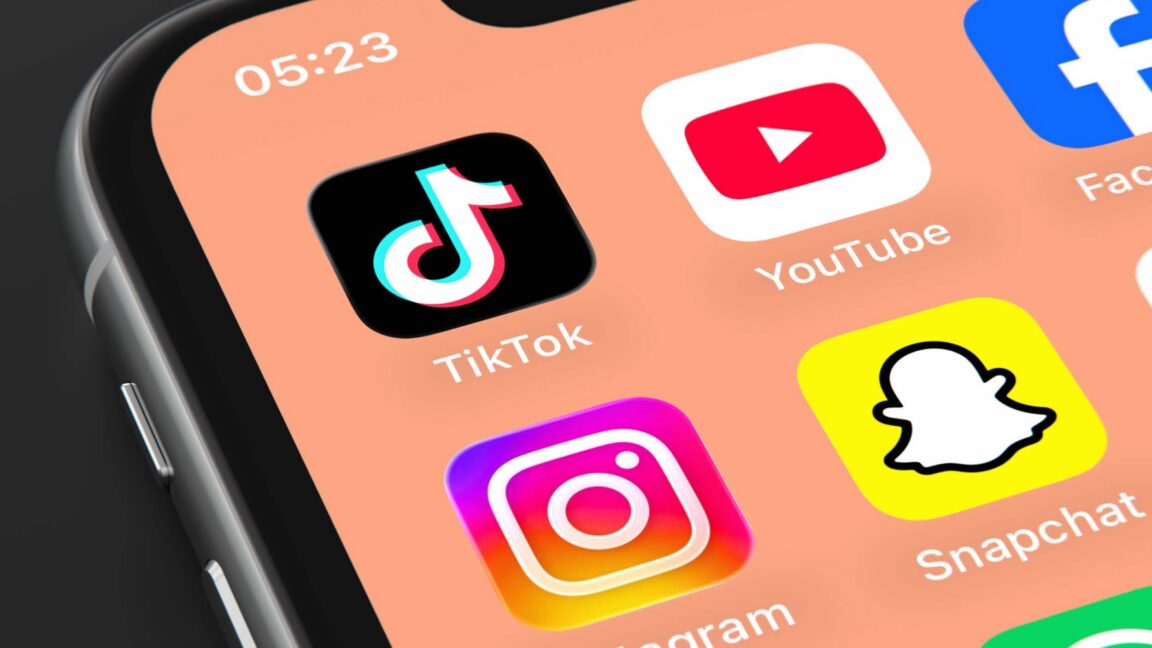
The UK government today announced a ban on social media for all children under the age of 16, with rules expected to take effect in spring 2027. The ban will apply to platforms including Snapchat, TikTok, YouTube, Instagram, Facebook, and X. Prime Minister Keir Starmer said the UK is going further than any other country by banning social media for under-16s and implementing wider protections.
In addition to the ban, the government will impose “world-leading” blocks on harmful functions such as livestreaming and stranger communication with children under 16. These restrictions will be on by default for 16- and 17-year-olds to prevent a cliff-edge at 16. The rules will apply to a range of services, including online gaming.
The government will also examine overnight curfews and breaks from infinite scrolling for under-18s, with more details expected in July. The social media ban does not apply to messaging services like WhatsApp and Signal.
AI “romantic companion” chatbots designed to simulate sexual relationships or roleplay will have a minimum age of 18. Similar intimate functionalities will be restricted for under-18s on other AI chatbots.
Platforms will be required to verify users’ ages, and regulator Ofcom will determine the appropriate age-verification systems. The government has noted that facial recognition technology may be part of the scheme. Adults who have already proven their age through another method can avoid the new check on existing accounts.
The decision follows a consultation that received responses from 116,000 people. The UK model is based on Australia’s ban, where platforms pay financial penalties for failing to block underage users.
Critics, including the Electronic Frontier Foundation, argue that age-verification requirements harm privacy and that bans prevent children from accessing useful content. YouTube and Meta have criticized the ban, saying it pushes young people to less safe alternatives. VPN use, which can circumvent age checks, poses additional privacy and security risks, according to the Center for European Policy Analysis.
Some politicians, such as Liberal Democrat MP Victoria Collins, have called the proposal “woefully inadequate” and advocate for an age-rating system. Reform UK leader Nigel Farage said the ban is well-intentioned but unlikely to work due to widespread VPN adoption. Conservative Party leader Kemi Badenoch welcomed the move, taking credit for her party’s efforts.