United List and National Alliance agree to form Latvia's new government together
The parties United List and the National Alliance have agreed to cooperate in forming Latvia's new government. The president has tasked Andris Kulbergs of the United List with putting the cabinet together.
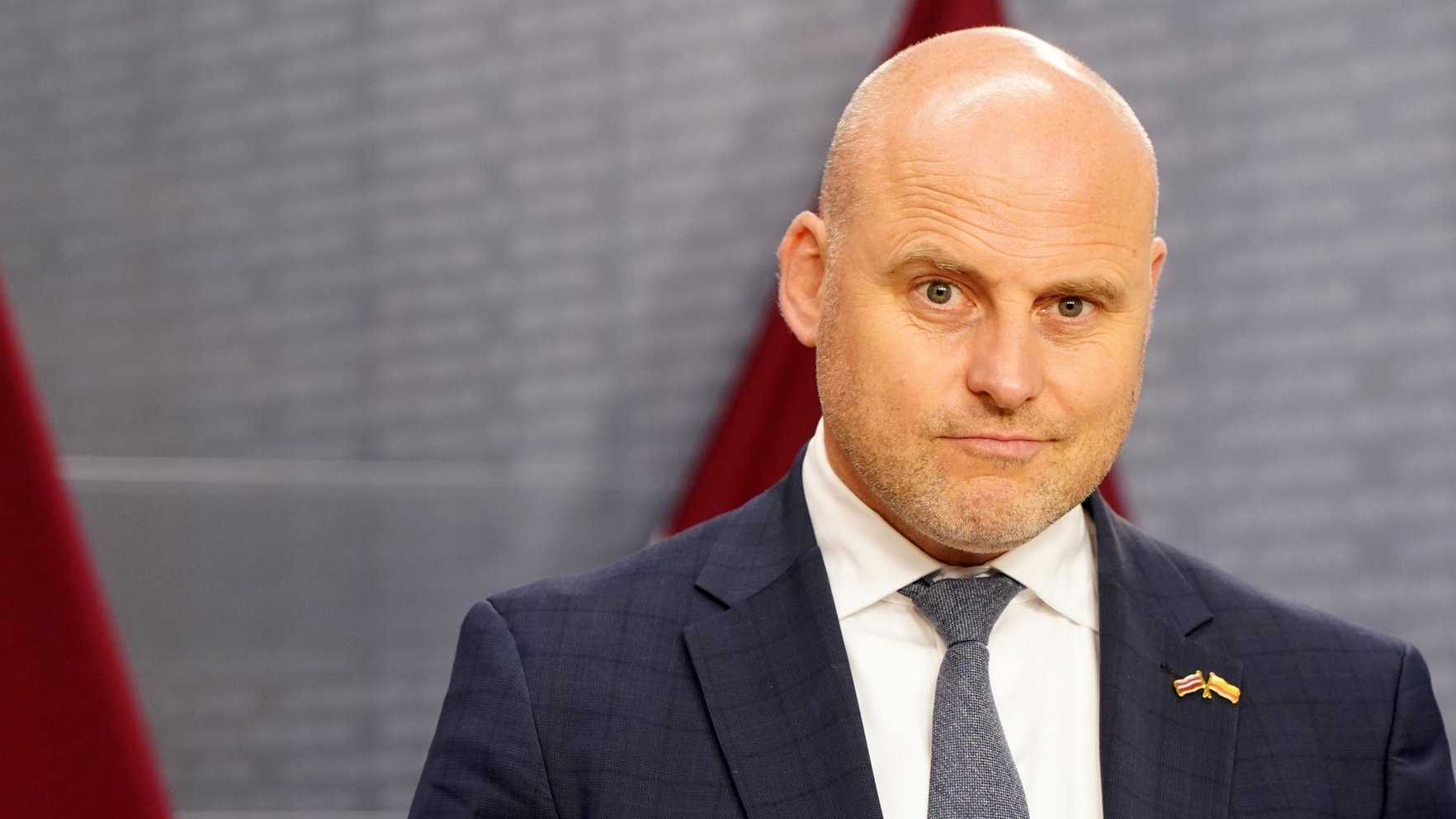
Two Latvian political parties, the United List (AS) and the National Alliance (NA), agreed on Sunday, 15 November, to cooperate in forming a new government and to divide areas of responsibility, representatives of the State Chancellery told the media in the evening. The president has entrusted the formation of the government to Andris Kulbergs of the United List, who is set to become the next prime minister.
Talks on the tasks ahead and the terms of cooperation will continue so that documents can be prepared for signing. The National Alliance has been asked to nominate candidates on Monday for three ministerial posts: interior, welfare and culture. The prime minister has invited the current defence minister, Raivis Melnis, to continue in the role in the next government. Kulbergs will announce the remaining candidates soon, stressing that professionalism and suitability for the post will be decisive.
Priorities and the budget situation
Kulbergs names national security, order in public finances, economic growth and efficient public administration as the priorities of the incoming government. He says the negotiating partners have backed these directions and expects this to be reflected in Saeima votes on reforms.
Kulbergs describes the state of the budget as critical. In his words, if nothing is done, Latvia risks being unable to secure the funds needed for national defence as early as 2030. He also says the country should not again end up in a situation where international financial aid significantly limits its choices.
Stance toward other parties and the opposition
Kulbergs expressed doubt that the parties that have been the main architects of the existing system are ready to change it fundamentally, naming New Unity first. In his view, willingness to change course must be proven through action, which can soon be judged in Saeima votes.
Kulbergs believes an AS–NA coalition could ensure quick and unified decision-making, but the narrow majority in the Saeima will require strict discipline within coalition factions and close cooperation with deputies from other factions. He plans closer engagement with the opposition: ideally meeting opposition parties once a month, entrusting them with posts in Saeima committees and assessing their proposals on their merits.