Russian Grain Transit Through Latvia: Liepāja Contracts Valid Until at Least February
More Russian grain passed through Latvia in September and October than in all of 2025. A planned ban on new transit contracts would not affect existing ones, which run to 1 February in Liepāja and, for some LDz Cargo deals, to the end of 2028.
Contracts already signed will allow Russian grain to keep flowing through the Latvian port of Liepāja until at least 1 February, even as the government prepares restrictions on transit. This follows an investigation by the TVNET programme “Nekā personīga”. Prime Minister Andris Kulbergs (United List) promised protesting farmers in Jēkabpils in November a law banning new transit contracts, but it would not touch existing ones.
Background
In late August, in Kyiv, Ukrainian leaders told the prime minister that grain stolen in occupied territories could travel with Russian documents through Latvian ports. The government then ordered checks on the origin of transit grain and threatened 300% duties, but later stressed the potential losses if transit were halted. According to the State Revenue Service customs data, 652,000 tonnes of Russian grain transited by Latvian rail in 2025, while September and October alone saw 772,000 tonnes.
Contract deadlines
Liepaja Bulk Terminal, the largest grain handler in Liepāja, holds contracts for Russian cargo valid until 1 February. The port authority cites 20 December. State-owned rail freight company LDz Cargo carried about 39% of Russian cargo this year; most of its contracts end this year, but some run to the end of 2028. The Ministry of Agriculture’s draft provides a 30-day transition period. The government could consider the rules on Tuesday.
Volumes and loss estimates
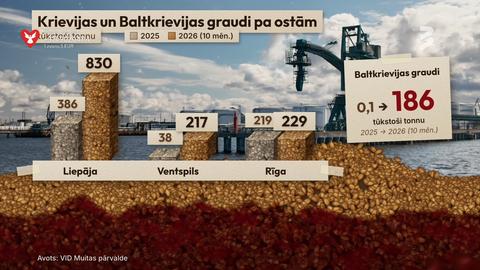
About 830,000 tonnes of Russian and Belarusian grain reached Liepāja this year, twice as much as last year. Ventspils saw almost six times more, while Riga stayed roughly level. The Ministry of Transport and Economics estimates a ban on Russian grain alone would cost the economy €27–50 million a year. The Ministry of Transport puts litigation risk at €180 million, while the Liepāja port authority cites over €1 billion. The Ministry of Justice says transit can be banned through national sanctions.
Farmers, whose protest initiator Gundars Kalve, warn they might start blocking trains in late November. Jānis Kasalis, president of the Latvian Stevedoring Companies Association, says the cargo is needed to strengthen the transit corridor.