UK house prices rise for first time since start of Iran war
House prices in the UK increased by 0.2% in June compared to May, the first monthly gain since February when the Iran war began.
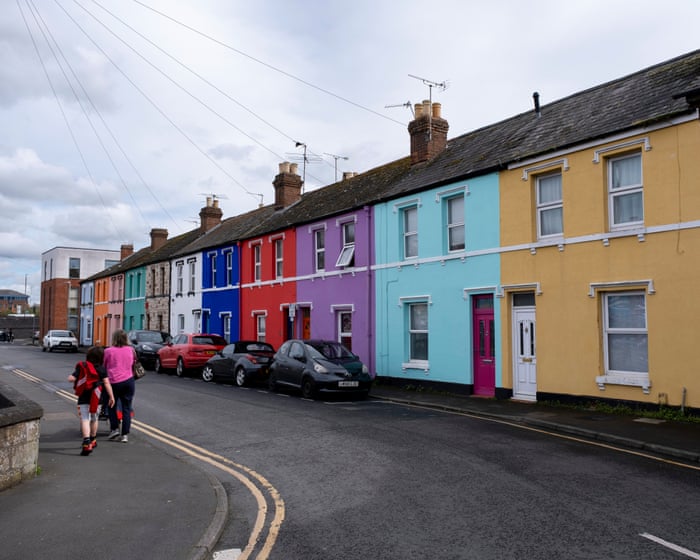
According to the Lloyds house price index, the typical UK property cost £299,330 in June, a 0.2% rise on the previous month. This followed a 0.2% drop in May and marked the first monthly increase since February, when prices rose 0.3% to £301,051. The annual growth rate edged up to 0.6% from 0.5%.
The increase comes after a four-month war triggered by surprise US-Israeli missile strikes on Tehran on 28 February. A fragile ceasefire is now in place while the US and Iran negotiate a permanent peace deal. The war initially sent oil prices soaring and pushed up inflation, leading to expectations of interest rate hikes rather than cuts. Oil prices have since fallen back to near prewar levels, with Brent crude trading at about $72 a barrel on Tuesday, up 1.1%. The Strait of Hormuz has reopened, though the situation remains shaky – Iran's military fired at least two missiles at commercial ships transiting the strait on Monday night, according to US officials.
Amanda Bryden, head of mortgages at Lloyds, said: "Recent price trends continue to reflect wider economic uncertainty, including the impact of global events on inflation and interest rate expectations. While affordability remains stretched for many buyers, mortgage rates have eased from their recent highs, offering some encouragement to those considering a move."
For first-time buyers, annual price growth increased to 0.8% in June from 0.3% in May, with the average first-time buyer property now costing £240,433, suggesting resilient demand.
Regionally, Northern Ireland continues to record the strongest annual house price growth in the UK, at 7.4%, with an average price of £229,000. Scotland saw 3.9% growth (average £223,277), and Wales 0.9% (average £231,142). In England, stronger growth remained concentrated in the north: the north-east saw a 2.8% annual rise to £181,133, and the north-west 2.4% to £248,218. By contrast, prices continued to fall in the south: the south-east saw a 2% year-on-year decline to £381,654, and London a 1.1% drop to £534,831.
Bryden added: "Looking ahead, we expect the housing market to continue moving at a measured pace. Lower borrowing costs should provide some support for demand, though affordability constraints remain an important factor. The outlook for house prices will depend largely on inflation continuing to ease and household confidence gradually improving."


/nginx/o/2026/10/06/17958748t1h4491.jpg)