Archaeologists Discover Dog Paw Prints on Ancient Clay Tiles in Pompeii
Pompeii archaeologist Caitie Barrett discusses newly discovered dog paw prints on clay tiles, offering a vivid glimpse into daily life in the ancient city.
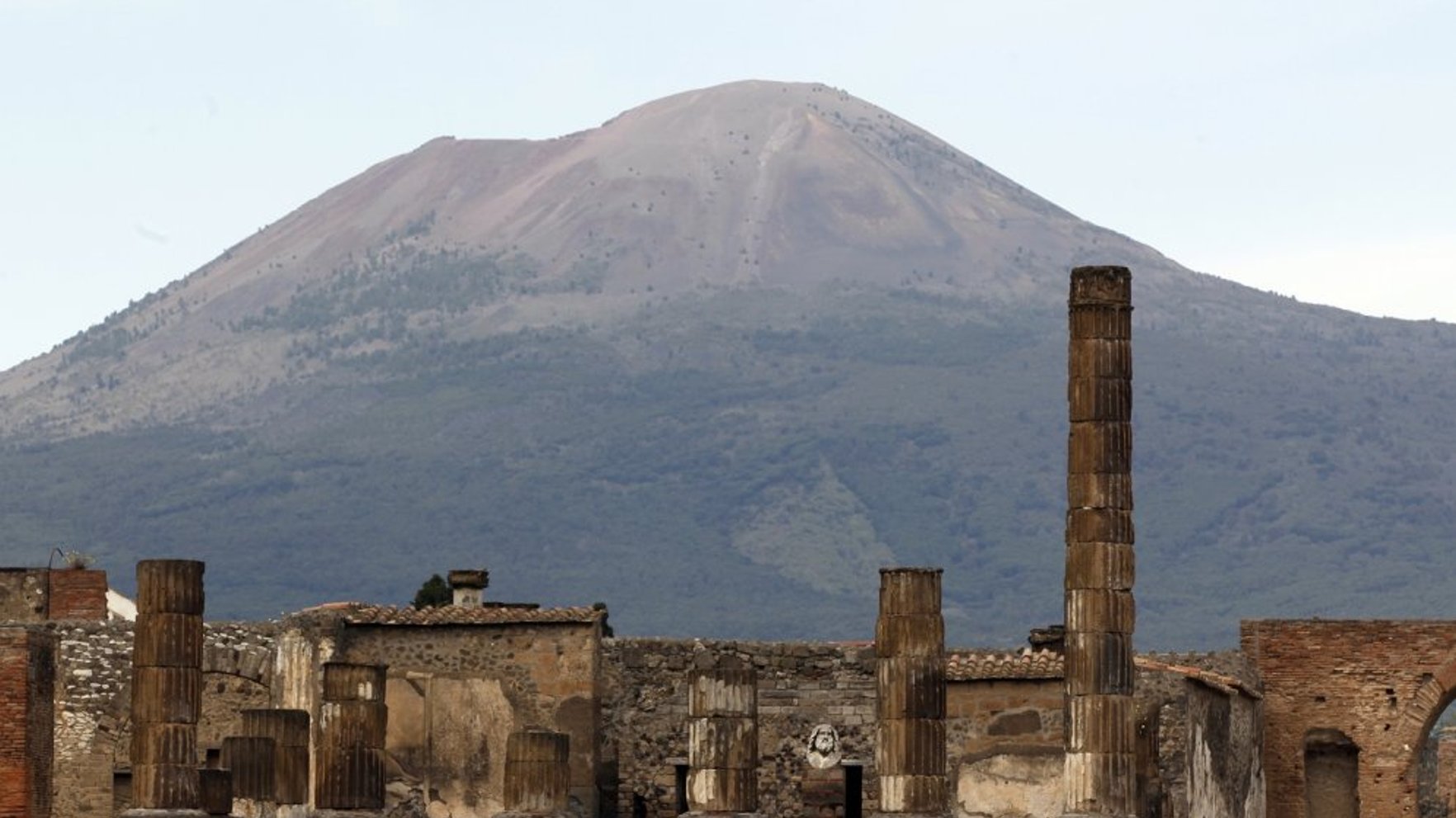
Archaeologists have uncovered dog paw prints on clay tiles in Pompeii, dating back to before the eruption of Mount Vesuvius in 79 AD. The discovery was made while examining a drainage channel in an ancient residential house. The tile was part of the channel's covering, and the prints were left by a dog walking across the wet clay.
Caitie Barrett, professor of classical archaeology at Cornell University and co-director of excavations at Pompeii, notes that such finds are not uncommon—clay tiles were often left to dry in areas frequented by dogs. However, this particular find moved her because it provides "a direct and vivid testimony" of the presence of a Roman-era dog.
Barrett studies the residential buildings and daily life of Pompeii's inhabitants. She emphasizes that Pompeii is not merely a "city frozen in time"—from the houses, objects, and graffiti, we can learn about social inequality and the city's connections to the wider ancient world. Archaeologists attempt to reconstruct people's lives from fragmentary evidence, but must distinguish facts from interpretation.
This discovery serves as another reminder that Pompeii still has surprises, bringing us closer to everyday life in ancient Rome.