Armenia turns away from Russia: Pashinyan’s victory and a new foreign policy course
Nikol Pashinyan’s decisive win in Armenia’s parliamentary elections marks a pivot toward the West, abandoning reliance on Russia, which failed to provide security during the 2020 war.
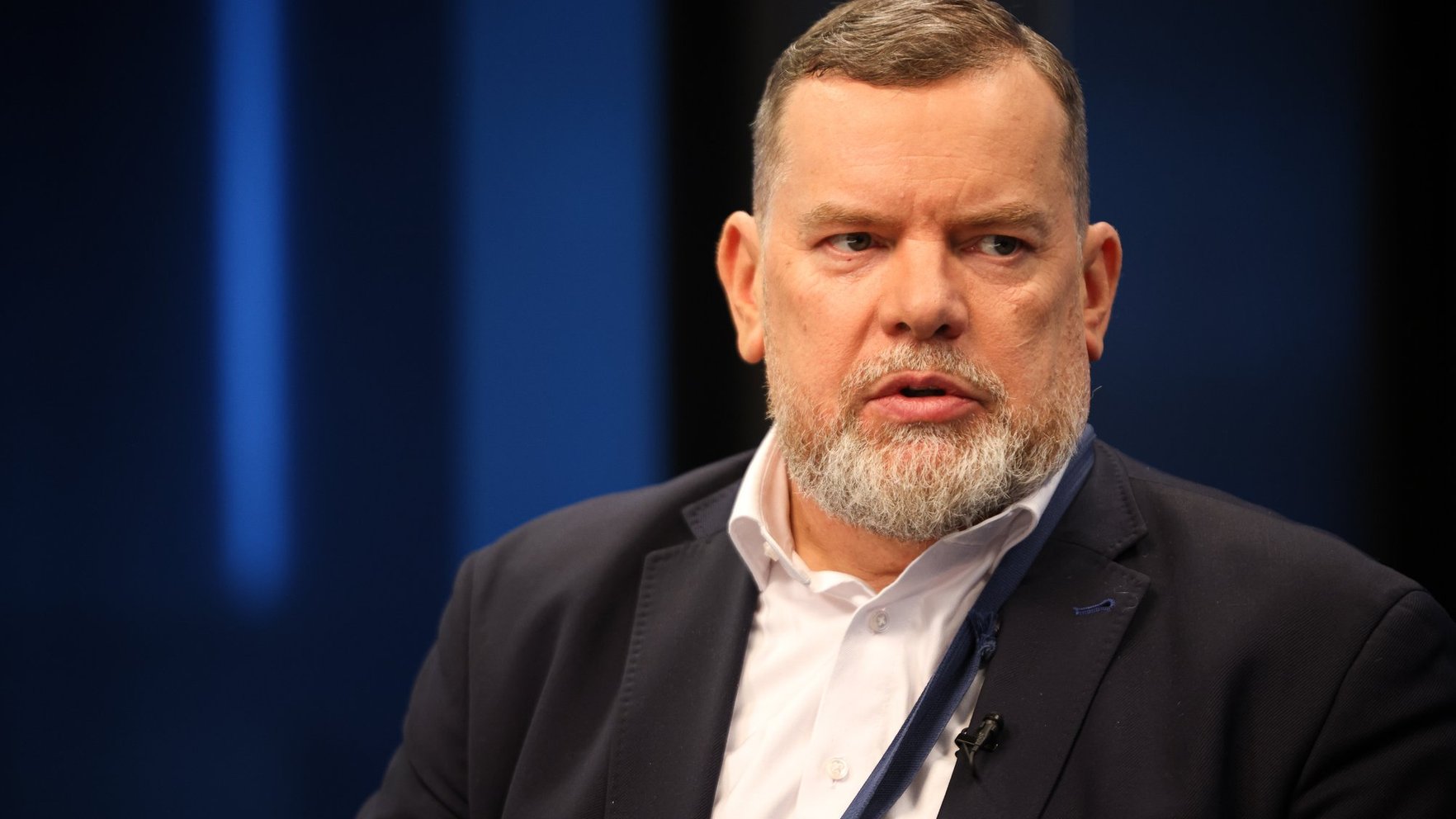
Armenia, after recent parliamentary elections won by Prime Minister Nikol Pashinyan, has confirmed a strategic pivot away from Russia. Historically a close ally, Armenia was a member of the CIS, the Eurasian Economic Union (EAEU), and the Collective Security Treaty Organization (CSTO). However, during the 2020 war with Azerbaijan, Russia failed to provide promised military aid under CSTO Article 4, effectively ignoring Pashinyan’s calls for help. This betrayal shattered trust.
Economic dependence on Russia remains significant—Russia accounts for 37% of Armenia’s exports (mainly gold, diamonds, copper) and 29% of imports. Yet Yerevan has begun diversifying. In April 2026, Pashinyan met Putin, highlighting democracy and internet freedom, while Russia warned of energy cutoffs. In June, Russia imposed trade restrictions and recalled its ambassador, protesting Armenia’s EU rapprochement.
European support is growing—EU missions (EUMA, EUPM) operate in Armenia, and France actively backs democratic reforms. The US also sends positive signals, e.g., Marco Rubio’s visit. However, the path to Europe will be tough, as Russia uses economic and energy pressure to maintain influence. Armenia’s shift away from Russia’s orbit weakens Moscow’s position in the South Caucasus and shows its inability to retain allies.