Eight factors that could decide the course of the Iran war, from US midterms to the Strait of Hormuz
Three analysts explain which factors could push the US-Iran conflict toward war or peace. They include the US congressional elections, Israel's political deadlock, the nuclear dispute and economic pressure.
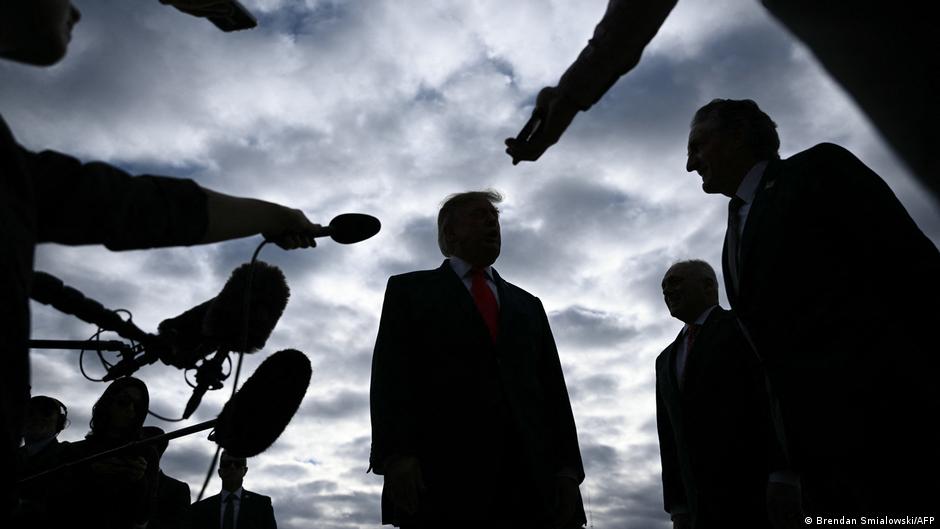
As the United States heads into midterm elections for Congress, President Donald Trump's administration appears unable either to win the war with Iran or to end it diplomatically. The war began in late February and is now in its ninth month. Germany's international broadcaster Deutsche Welle asked three experts what could shape its course: Omid Memarian of DAWN, a Washington-based think tank focused on reforming US Middle East policy; Finland-based political scientist Leila Morovati; and Babak Rezaei Daryakenari of Leiden University in the Netherlands.
US elections
Memarian argues that a Democratic victory would push Trump toward domestic issues and expose the war's costs in Congress. Even so, the president could continue limited strikes without formally declaring war. Daryakenari adds that a Republican defeat would not necessarily stop new attacks.
Israel and the nuclear programme
Israel's October 27 election ended in deadlock: neither Prime Minister Benjamin Netanyahu's coalition nor the camp backing former military chief Gadi Eisenkot won an outright majority. Memarian warns that the transition period is the most dangerous for renewed escalation. Iran's nuclear programme remains the main point of dispute. The US wants concessions at the outset of talks, while Iran demands that sanctions be lifted and frozen assets released before negotiations begin.
Hormuz, the Houthis and mediators
Before the war, about 20% of the world's oil passed through the Strait of Hormuz. Iran has since sharply cut energy exports through it. Memarian believes restrictions there will not trigger escalation on their own, but an incident could serve as a pretext for a wider attack. Yemen's Houthis, who have targeted energy exports in the Red Sea, act on pragmatic calculations, though Daryakenari says their attacks could speed up coalition-building against Iran. Qatar, Oman, Pakistan and Saudi Arabia are acting as mediators.
After the vote
Trump has said he expects a deal with Tehran soon after the midterms. Reuters, citing Iranian officials, reported that Tehran has deliberately prolonged talks. Daryakenari considers the likelihood of military escalation high. Economic strain is weighing on all sides, but none has yet concluded that compromise is unavoidable.
