Astronomer explains why city skies show fewer and fewer stars
University of Latvia astronomer Vitālijs Kuzmovs explains that stars haven't disappeared from the sky — artificial light pollution is blocking them, an effect especially severe in the world's largest cities.
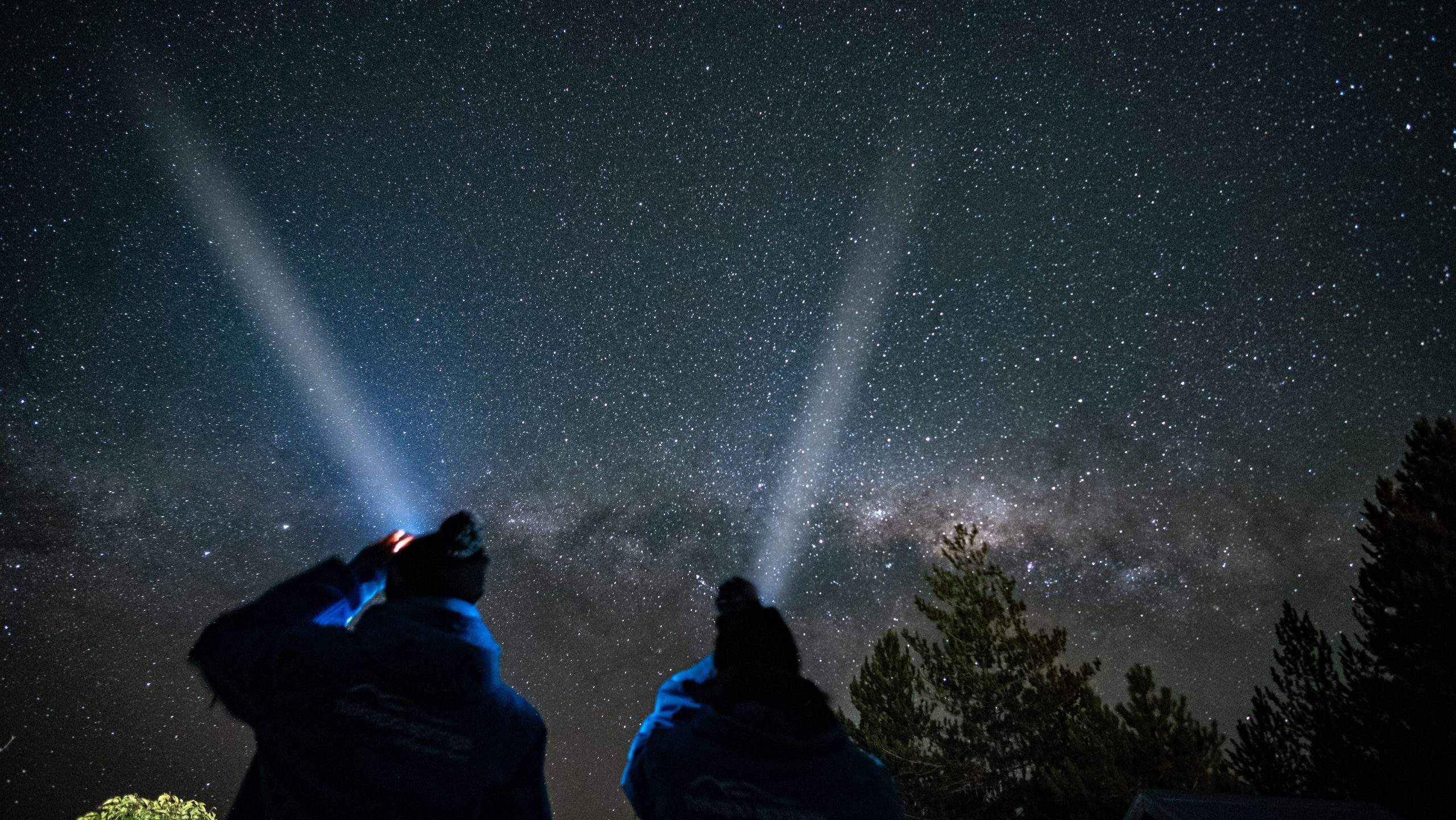
On a clear night, it can seem as though there are fewer stars in the sky than before. In reality, the stars haven't gone anywhere — they are simply being obscured by light that humans themselves produce. University of Latvia astronomer Vitālijs Kuzmovs explained the phenomenon on the TV24 program "Uz līnijas."
Why cities barely show any stars
According to the astronomer, the modern lifestyle and people's desire for comfort have driven the spread of various forms of pollution, including light pollution. Streets, buildings and advertising signs in cities remain lit throughout the night, making the sky above populated areas noticeably brighter. The more intense the surrounding artificial light, the fewer stars the human eye can detect — the faintest and most distant stars are the hardest to notice.
Kuzmovs compared the effect to a spotlight shining directly into someone's eyes: bright light prevents a person from seeing anything outside the illuminated area. City lighting works the same way, overpowering the night sky and reducing the number of visible stars.
A striking difference outside the city
For those who want to see a truly starry sky, the astronomer recommends leaving the city, where artificial light is far less intense. The difference can be striking — while only the brightest stars are visible in Riga on a clear night, far more stars, including the Milky Way, can be seen outside the capital.
The problem is especially severe in the world's largest metropolises, such as New York, Tokyo and Mexico City. There, millions of artificial light sources constantly illuminate the night sky, meaning that people who have lived their entire lives in these cities may never have had the chance to experience a truly dark, star-filled sky.
The conclusion, according to the astronomer, is simple: the stars above Latvia have not disappeared — people are simply viewing them more and more often through a haze of light they created themselves.