US Bans Foreign Robots: Winners and Losers
The U.S. Federal Communications Commission (FCC) has imposed a ban on foreign-made robots weighing over 4.4 pounds, with exemptions for existing models, medical devices, and stationary robots, potentially boosting domestic manufacturing.
Scope of the New Ban
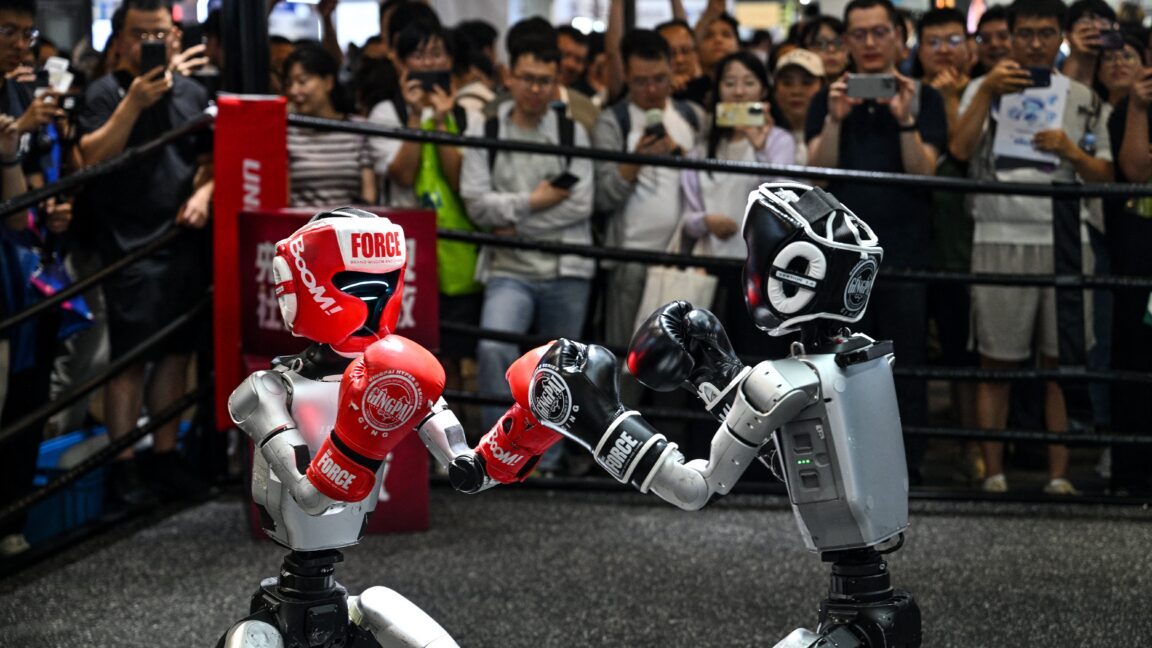
The U.S. Federal Communications Commission (FCC) has enacted a ban on foreign-made robots, including those from allied nations such as Japan, South Korea, and Germany. The ban defines a covered robot as any mobile device combined with a docking station that weighs more than 4.4 pounds. This allows small robots like toys but blocks most robot vacuums, which typically exceed the weight limit.
Exemptions and Exceptions
Several exemptions apply. The ban excludes trains, drones, underwater vehicles, and "connected vehicles" like robotaxis. The FCC had already banned foreign drone imports in December 2025. Also exempt are devices regulated by the Food and Drug Administration, including medical and surgical robots, prosthetics, and wheelchairs. Fixed or stationary robots, such as industrial robot arms, are not covered.
The U.S. Department of Defense—renamed the Department of War under the current administration—can exempt specific robots or classes from the ban if they pose no security risk. Crucially, the ban only applies to new models; existing FCC-authorized robots can still be purchased and used.
Potential Impact on Production
The ban could encourage companies to manufacture robots in the United States. Several firms are already scaling up production of humanoid robots in U.S. factories, including Agility Robotics, 1X Technologies, and Figure AI. Tesla is shifting from older electric vehicle models to its Optimus humanoid robot.