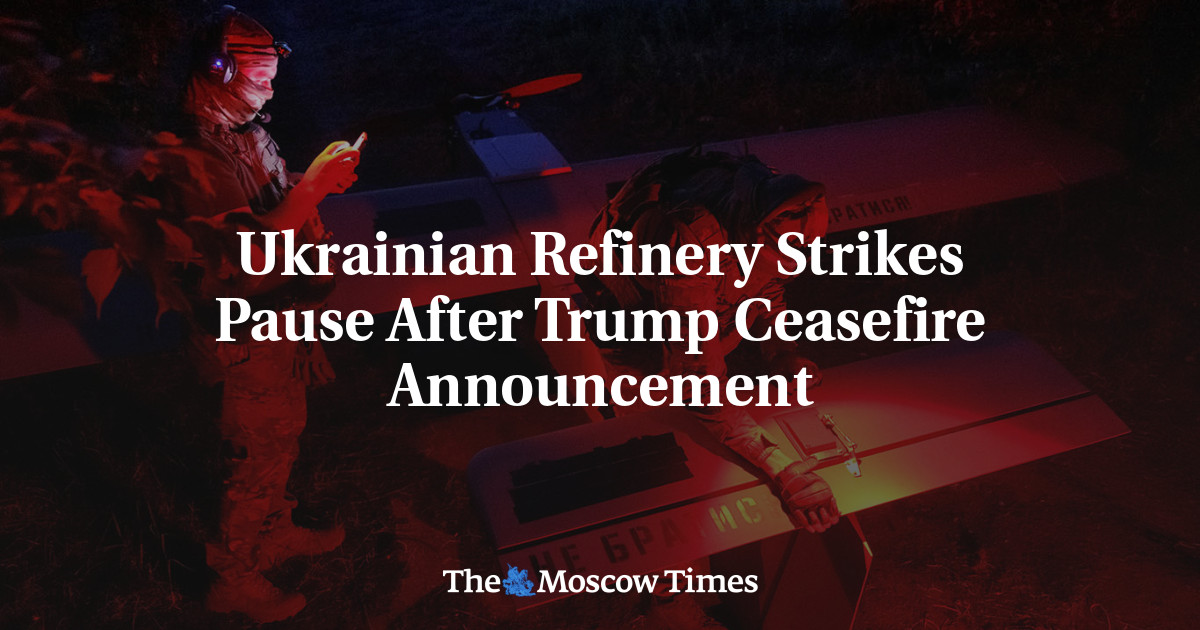
US Officials Press Ukraine to Halt Strikes on Russian Oil Refineries, Threatening Aid Curbs
The Financial Times reports that US officials phoned European capitals and Kyiv over the weekend, demanding that Ukraine stop attacking Russian oil refineries. The calls reportedly included threats to halt intelligence sharing and weapons deliveries.
United States officials spent last weekend calling counterparts in European capitals and in Kyiv to push Ukraine to stop its attacks on Russian oil refineries, the Financial Times reported, citing people who received the calls or were briefed on them. The report matters because it concerns possible limits on US support for a country that has been defending itself against Russia's invasion for more than three years.
The reported threats
According to the report, the calls included warnings that Washington could stop sharing intelligence with Ukraine and freeze weapons deliveries under the PURL funding programme if the strikes continued. One official who took a call from a US defence official told the newspaper: "They are calling Kyiv, they are calling everyone." The paper also named Pavlo Palisa, military adviser to Ukrainian President Volodymyr Zelensky and former commander of the 93rd Separate Mechanised Brigade, among those contacted.
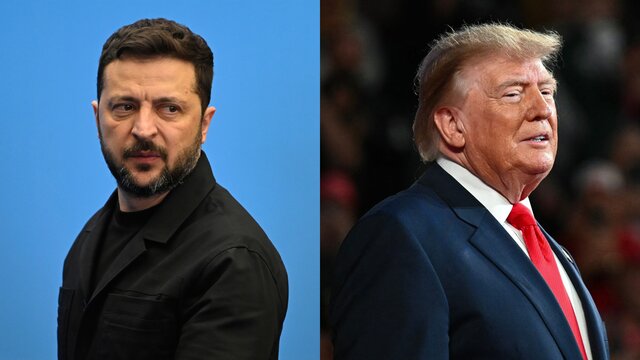
The White House has neither confirmed the calls nor commented. The warnings reportedly came as US President Donald Trump expressed strong displeasure with Zelensky over the refinery strikes.
What it would mean for Ukraine
A European official told CNN that intelligence sharing and arms purchases are vital, calling the threats a sad day for Kyiv and its allies. If carried out, they would immediately affect Ukraine's defensive capabilities.
US intelligence helps Ukraine defend against Russian ballistic missiles, indicating where launchers are located and where and when strikes are expected. Halting PURL purchases would hit deliveries of interceptor missiles for Patriot air defence systems hardest; Ukraine is already short of them as Russia has expanded missile and drone attacks across the country. Another European official told CNN that NATO had not detected any change in PURL operations over the weekend.
Precedent and the energy ceasefire
In March 2025 the Trump administration had already suspended intelligence sharing after a tense Zelensky–Trump meeting in the Oval Office. The exchange was restored after Ukraine agreed in Saudi Arabia to a ceasefire proposed by Washington.
On Sunday, Trump announced an "energy ceasefire" between Russia and Ukraine, saying both sides had agreed. A senior official in Zelensky's office told the Financial Times that Kyiv was then still dealing with the aftermath of a Russian attack and that nobody had heard of a truce. Zelensky told Axios the announcement was unexpected, but that Kyiv would be ready if Moscow committed to it, and asked Washington for the exact start date. In his evening address he said the armed forces had received the necessary orders, while Kyiv still awaits specifics from Washington about talks with Moscow.