US Supreme Court restricts use of geofence warrants
In a 6-3 ruling, the US Supreme Court limited law enforcement's use of geofence warrants, stating that individuals have a reasonable expectation of privacy in their cell-phone location data, thus strengthening Fourth Amendment protections.
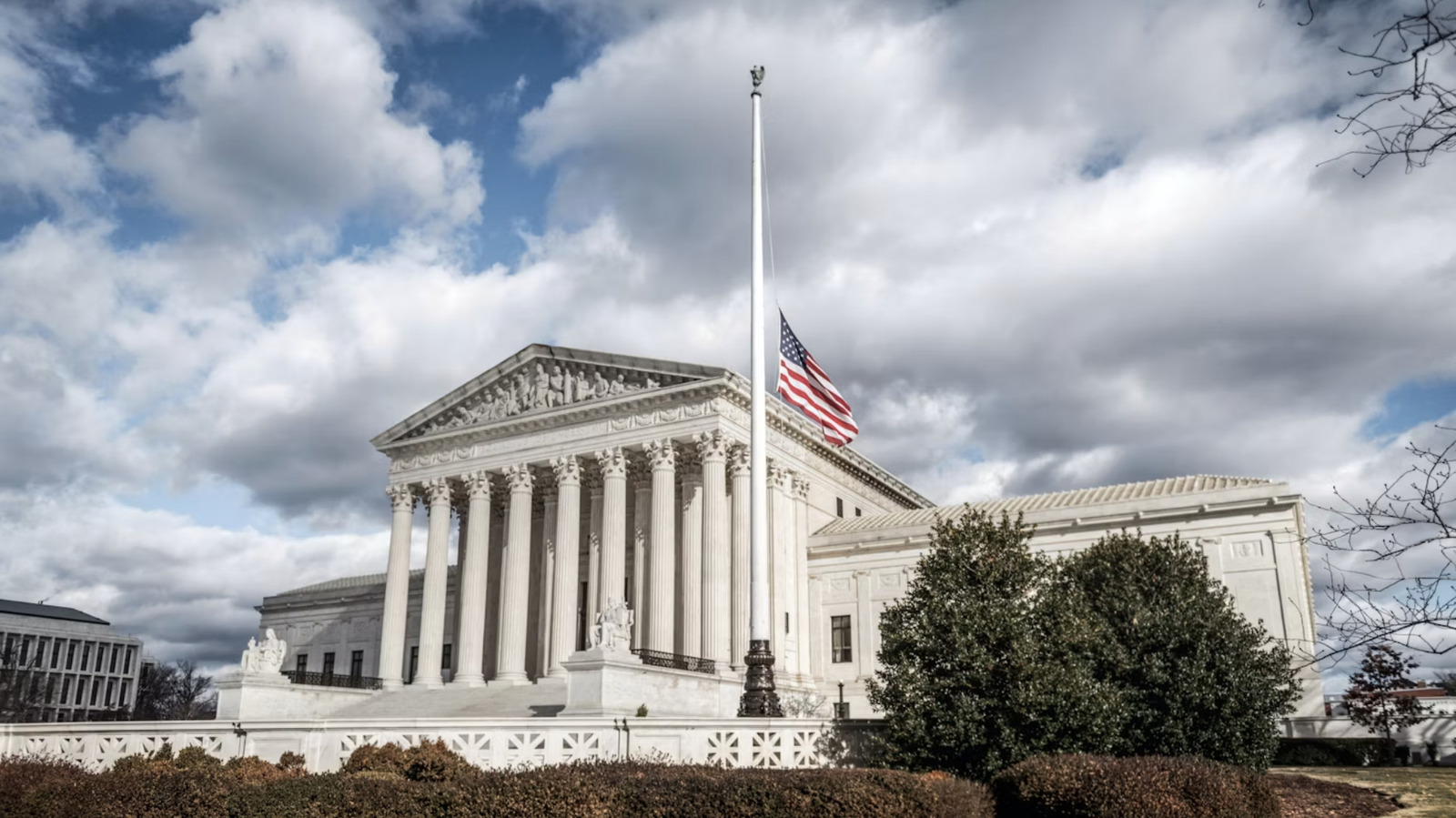
The US Supreme Court has issued a ruling that significantly restricts the use of geofence warrants by law enforcement agencies. In a 6-3 decision, the court held that "an individual has a reasonable expectation of privacy in his cell-phone location information." Justice Elena Kagan wrote that geofence warrants violate the Fourth Amendment's prohibition against unreasonable searches.
Geofence warrants are a relatively recent investigative technique in which police request tech companies to provide location data of cellphones near a crime scene during a specific time window. Unlike traditional search warrants, geofence warrants do not require probable cause.
The case originated from a bank robbery in Virginia, where a man stole $195,000. Detectives served Google with a geofence warrant to obtain location data of cellphone users near the bank for an hour before and after the crime. Google initially identified 19 devices but only provided data for three users; one of them turned out to be the culprit. Okello Chatrie confessed, but his attorneys argued that geofence searches allow the government to "search first and develop suspicions later," violating the Fourth Amendment. In this instance, the search required Google to sift through data from millions of users, including those with no suspicious activity.
The ruling's impact on past cases involving geofence warrants remains unclear, and it is not expected to alter Chatrie's sentence. The government had argued that location data is not constitutionally protected because individuals "choose" to share it by not disabling geotracking services and background app tracking on their phones.