US dollar hits record high in Iran as rial weakens amid renewed regional conflict
The US dollar surpassed 1.94 million Iranian rials on July 18, 2026, as the rial lost 43.7% of its value since the start of the year. Inflation reached 88.6%, the highest since World War II.
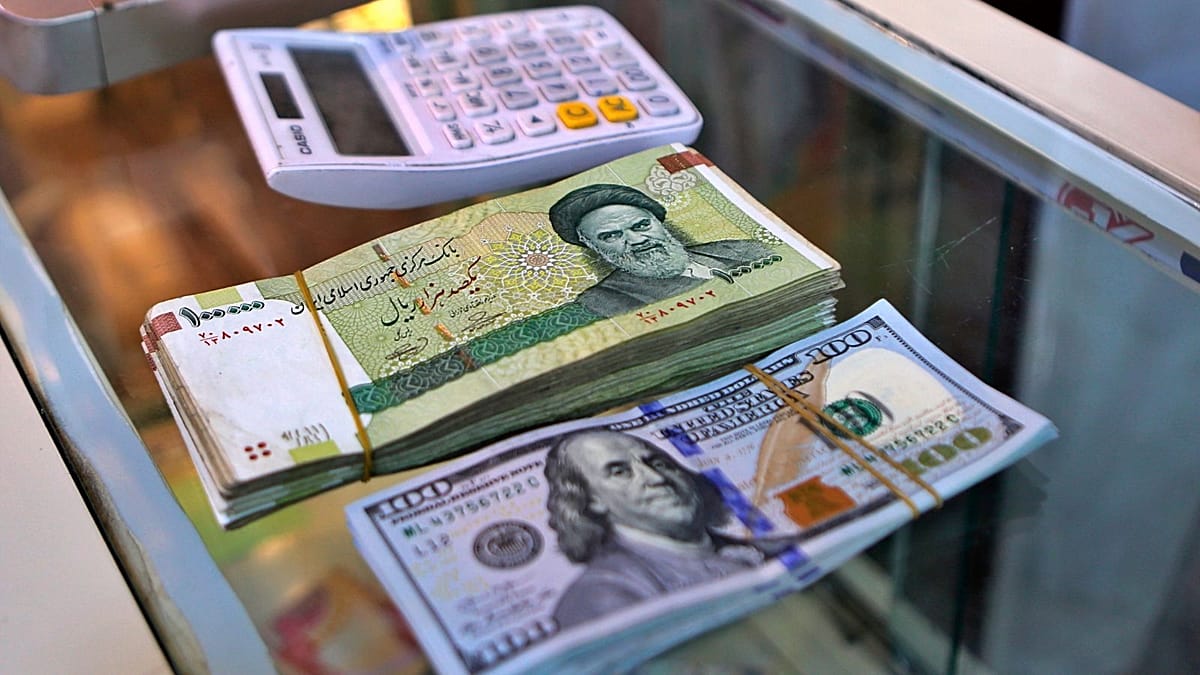
On Saturday, July 18, 2026, the US dollar hit a record high against the Iranian rial in Tehran's free market, surpassing 1.94 million rials. The dollar traded at 1.941 million rials, an increase of 32,000 rials or 1.67% from the previous day's unofficial closing rate. The euro also rose, trading at 2.22 million rials, up 36,000 rials or 1.64% from Friday's unofficial close.
The Iranian rial has lost approximately 43.7% of its value against the US dollar since the beginning of the year, when the dollar was trading at around 1.35 million rials. Following US and Israeli airstrikes on Iran on February 28, the dollar climbed to 1.72 million rials. As the conflict disrupted economic and commercial activity, demand for foreign currency temporarily weakened, and the dollar retreated to around 1.46 million rials. After Donald Trump's threat on April 7 to launch airstrikes on Iran's critical infrastructure, the dollar rebounded to 1.63 million rials before easing to roughly 1.525 million rials after a ceasefire was announced.
The resumption of economic activity, coupled with government estimates putting wartime damage at $300 billion, renewed pressure on the foreign exchange market and pushed the dollar close to 1.9 million rials. A "memorandum of understanding" signed between Tehran and Washington briefly restored confidence, sending the exchange rate back to 1.53 million rials. However, renewed political tensions soon reversed those gains, lifting the dollar back to around 1.7 million rials.
The rial has since come under more pressure following the launch of a fresh naval blockade of Iran and US airstrikes on the country's southern regions. Washington says these operations are intended to degrade Iran's military capabilities and prevent threats to shipping through the Strait of Hormuz. The latest escalation has intensified expectations of further currency depreciation and faster inflation.
Official data points to an economy already grappling with severe price pressures. Annual consumer price inflation stood at 52.6% in December 2025, rose to about 68% in February 2026, and reached 88.6% last month. Iran's inflation rate has climbed to its highest level since World War II. Persistently high inflation and rapid monetary expansion continue to erode the purchasing power of the rial, while geopolitical instability has accelerated the currency's depreciation. A weaker rial raises import costs, fuels inflation expectations, and drives prices higher, creating a cycle that strains household incomes and the country's broader macroeconomic stability.

/nginx/o/2026/03/07/17495010t1h3353.jpg)
