US Regulator Tries to Override New York Gambling Law, Tells Kalshi to Keep Operating
The federal CFTC is asserting exclusive authority over prediction-market platform Kalshi, challenging New York's attempt to shut it down under state gambling law. New York Attorney General Letitia James maintains Kalshi is an illegal gambling operation harming state residents.
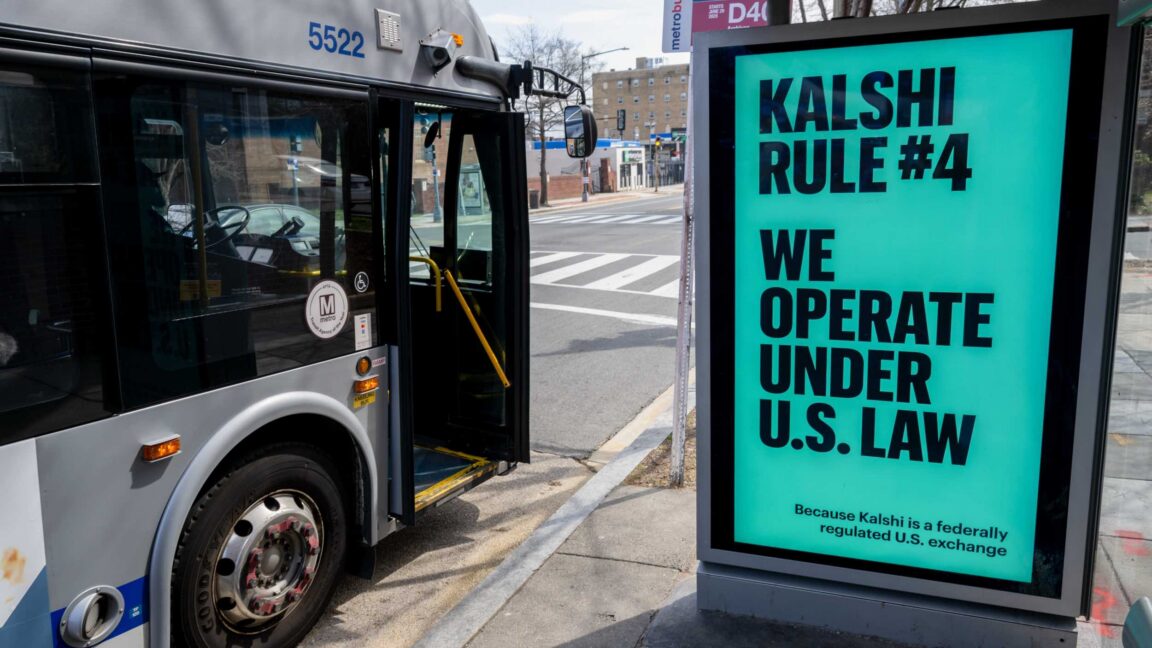
The US Commodity Futures Trading Commission (CFTC) has stepped into a dispute between New York state and prediction-market platform Kalshi, arguing that only the federal agency has authority to regulate such services.
CFTC official Selig said Kalshi and similar platforms like Polymarket are financial exchanges offering financial instruments that operate across state lines. He described how these platforms match a bid from a resident of one state with an offer from a resident of another, then submit the trade to a clearinghouse that backs transactions for customers nationwide. The CFTC claims exclusive jurisdiction over such designated contract markets under the Commodity Exchange Act.
New York's position
New York Attorney General Letitia James has said that regardless of what they call themselves, prediction markets like Kalshi are gambling platforms. She argues that by ignoring state law, Kalshi is running an illegal operation that harms New Yorkers.
New York is fighting to keep its lawsuit against Kalshi in state court, arguing the state has a strong interest in using its police powers to regulate gambling, and that moving the case to federal court would disrupt the balance between state and federal authority that Congress intended.
Background
Kalshi had previously asked a court to block New York from enforcing its gambling laws against the company, but a federal judge rejected that request on July 7, ruling that Congress did not intend to fully preempt state involvement in matters tangential to trading on designated contract markets. Kalshi has appealed that decision to the Second Circuit Court of Appeals and is separately trying to get James's lawsuit moved from state to federal court.
The New York dispute is one of several legal battles in which the Trump administration and prediction-market companies are working to block state-level regulation. Last month, a federal court prevented Minnesota — the first state to pass a total ban on prediction markets — from enforcing its law, though the judge suggested states may still be able to ban prediction-market wagers that don't legally qualify as swaps.