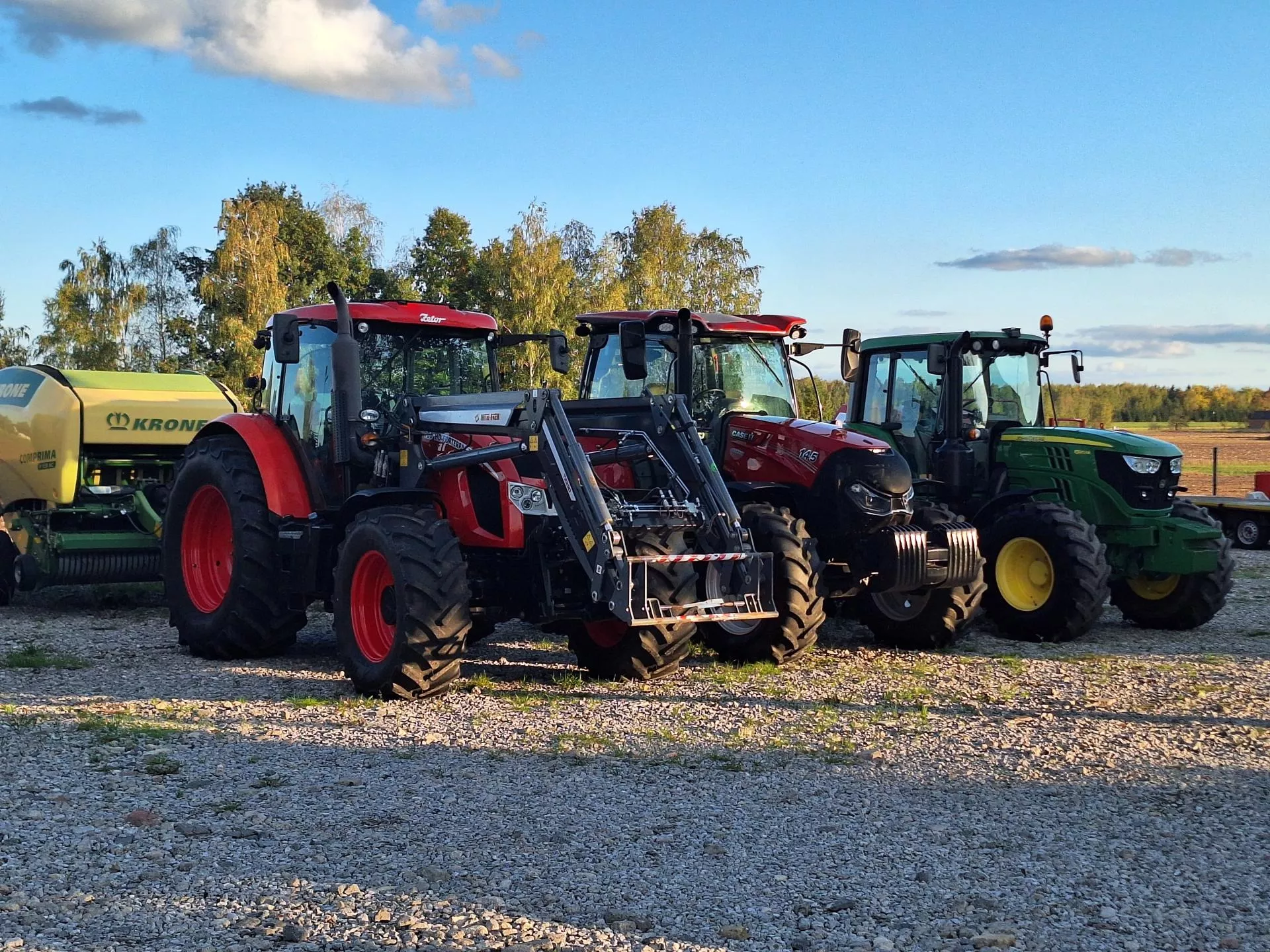
US family farms increasingly turn to agritourism and fall festivals to make ends meet
As farm incomes fall, more US family farms are adding agritourism. A University of Vermont study found 75% of respondents saw income rise, though almost half still earn little from it.
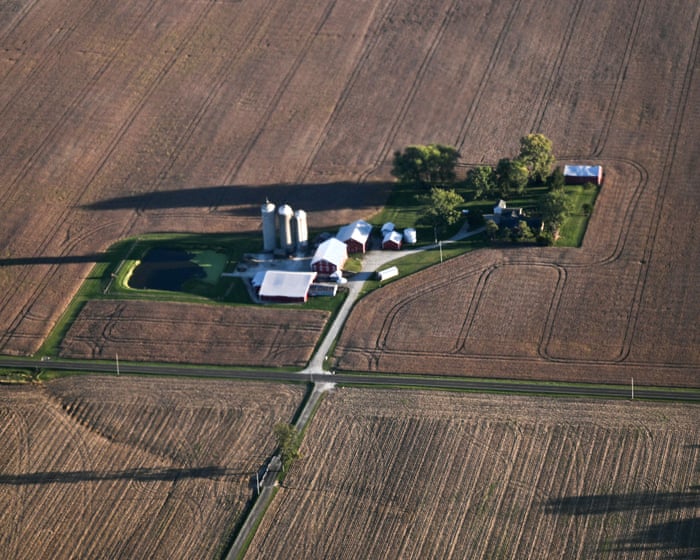
Facing falling incomes, more American family farms are turning to agritourism, or visitor entertainment on working farms, such as fall festivals. At the Lucas Brothers Fall Festival in south-west Ohio, visitors can take a hayride, try an inflatable obstacle course and a go-kart track, and wander a corn maze. US net farming income is set to fall by 5.5% after inflation this year.
Why farms are looking for extra income
Fuel prices are at record levels while grain prices are stagnant. More than 140,000 US farms were lost between 2017 and 2022. Farmland values have risen 44% since the Covid-19 pandemic, and billionaires including Bill Gates and Jeff Bezos have been buying up large areas of agricultural land.
Agritourism was worth an estimated $1.3bn in 2022, or $4.5bn when off-farm and non-edible goods are included. In Ohio, the number of farms running an agritourism business grew 27% in the five years to 2022.
Susan Lucas, whose husband Mark and his brother own the festival and grow about 1,500 acres of corn, soybeans and wheat, says the extra income helps pay the bills and support two families. The festival barn was originally meant to house machinery, but the plan changed 10 years ago.
What the research shows
A national study sponsored by the US Department of Agriculture, published in August, surveyed 911 farmers. It found that 75% of participants saw their income increase after adding agritourism. However, 45% earned less than $25,000 from it in 2024, 24% earned $25,000 to $99,999, and 5% earned $1m to $5m. Lisa Chase, a University of Vermont professor and the study's co-author, stresses that the work requires entirely different skills.
In Nebraska, Pam Nelson and her husband opened their farm business in 2019 and expect close to 100,000 visitors this year. The farm employs 70 to 100 people in its busiest season. In Ohio, farms also face competition, as local cities hold free fall events. One popular Ohio farm has been run for the past two years by a company linked to California-based investors.