US drafting long-term Middle East plan, Axios reports
The Trump administration has reportedly begun crafting a post-war strategy for the Middle East focused on pressuring Iran and expanding Israel's normalisation with regional states. The plan is still in early stages, according to Axios sources.
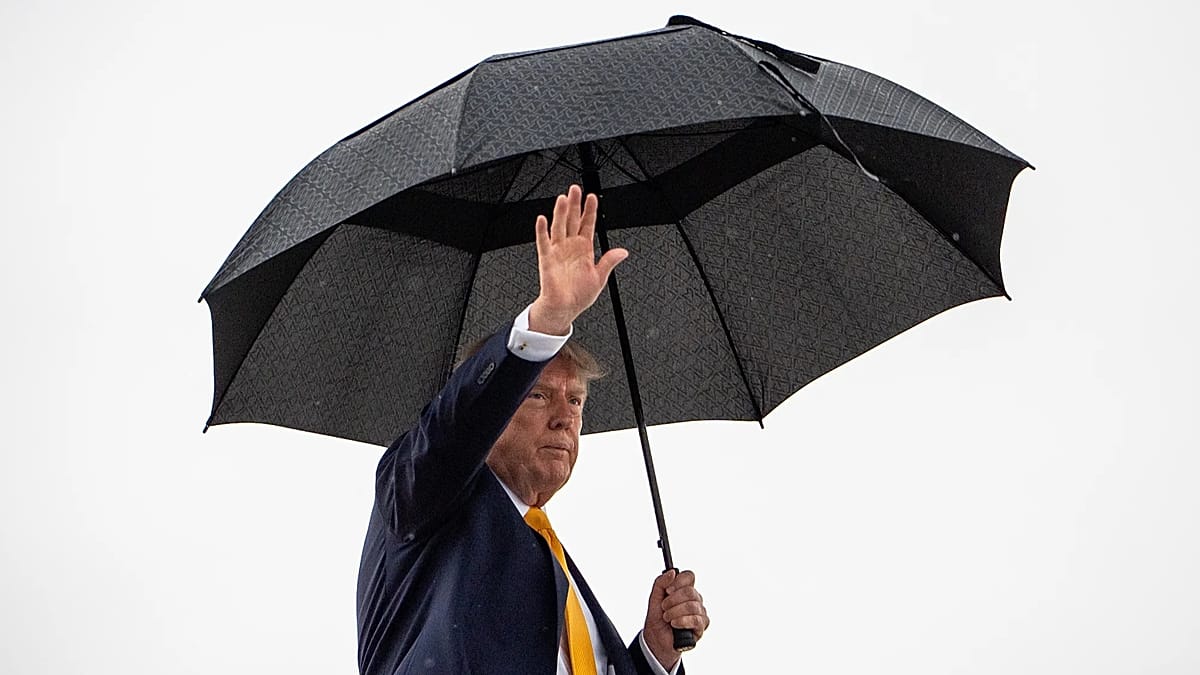
Axios, citing two US officials and two other sources familiar with the matter, has reported that the Trump administration has begun working on a long-term strategy for the Middle East. The goal is reportedly to reshape the region's balance of power by increasing pressure on Iran and expanding normalisation between Israel and its neighbours. The plan is said to be in its early stages but could shape US Middle East policy for the rest of Trump's presidency.
Three main pillars
Sources described three pillars under discussion: building a "regional alignment" among US allies to constrain Iran; working to reduce the regional fallout from the 7 October 2023 attack on Israel; and expanding the Abraham Accords, including pursuing normalisation between Israel and Saudi Arabia. Talks have also touched on the US potentially acting as a guarantor of this regional alignment, pursuing a security agreement between Israel and Syria, and advancing the next phase of Trump's Gaza plan. Discussions could be affected by the upcoming US midterm elections and Israel's October legislative elections.
The regional alignment concept is not new — since the 1979 Iranian Revolution, successive US administrations have sought to curb Tehran's influence by strengthening ties with Gulf states. Washington may now aim to formalise these efforts into a more structured framework with closer defence cooperation.
A Saudi-Israeli normalisation deal has long been a US goal, but Riyadh has tied it to concrete progress on Gaza and Palestinian statehood. These efforts build on the 2020 Abraham Accords, signed during Trump's first term, which normalised Israeli relations with the UAE, Bahrain, Morocco and Sudan.
Gaza and Lebanon dimensions
The second pillar would address the Gaza war's regional consequences in three ways: advancing to the next phase of Trump's Gaza plan, covering reconstruction, Hamas's disarmament and a transitional administration; a possible Israel-Syria security agreement following the fall of Bashar al-Assad's regime; and an Israel-Lebanon arrangement limiting Hezbollah's military capabilities, tied to the 2024 ceasefire that required Hezbollah fighters to withdraw north of the Litani River.
One source told Axios the plan is not yet finalised, saying: "They are cooking it, but it is not yet cooked." It also remains unclear whether all US regional allies would support the initiative.