Qatar sees progress in US-Iran talks after prime minister's White House meeting
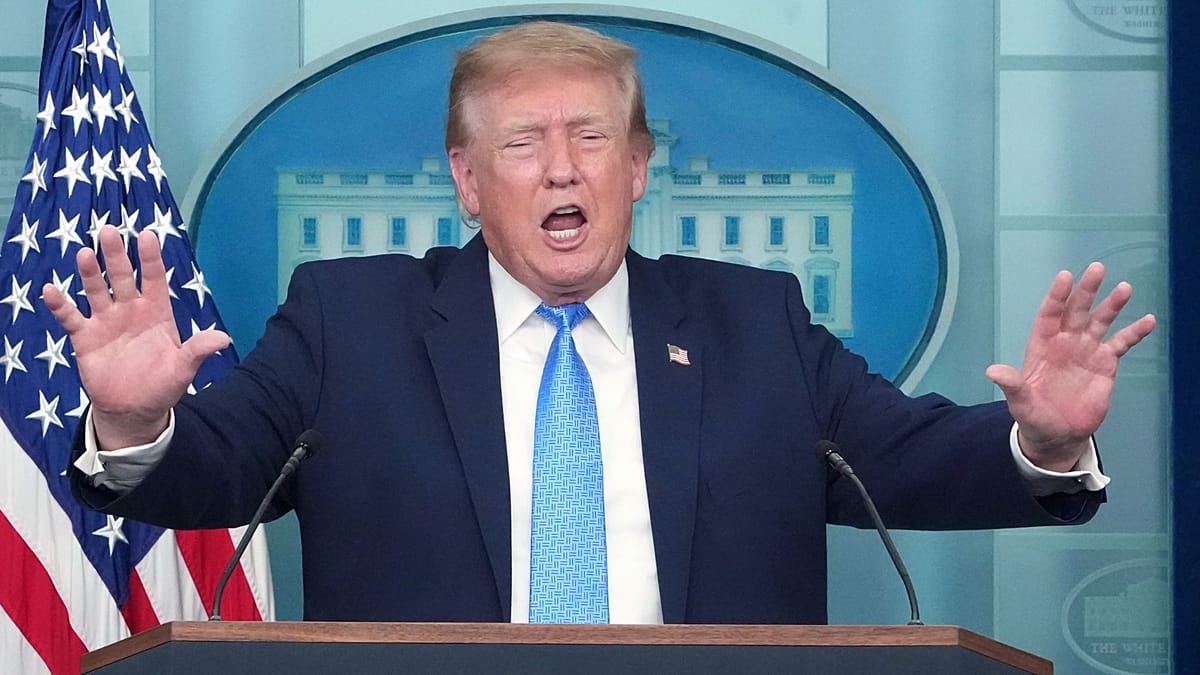
Qatar said on Tuesday that talks between the US and Iran are showing progress, though it cannot say how close a deal is. Its prime minister met US President Donald Trump at the White House the day before.
Qatar, which is acting as a key mediator in the crisis between the United States and Iran, said on Tuesday, 10 November, that it has seen progress in the talks between the two countries. Doha said it is working tirelessly to end the uncertainty over the standoff between Washington and Tehran. The assessment came a day after Qatari Prime Minister Sheikh Mohammed bin Abdulrahman Al Thani met US President Donald Trump at the White House.
Ibrahim bin Sultan Al Hashmi, director of the Qatari foreign ministry's Media and Communication Department, told a weekly briefing in Doha that the meeting was held in a positive atmosphere and focused on advancing the talks. He conceded, however, that it is impossible to say how close or how far away an agreement is. According to him, mediation efforts continue and both sides are making positive statements about a diplomatic solution.
What came before the meeting
Al Hashmi said Qatari officials had held talks in Tehran and consulted other regional governments before Sheikh Mohammed travelled to Washington. Trump, for his part, said Gulf states including Qatar and Saudi Arabia had urged him to hold off on fresh strikes. He said he would do so for now, but would keep the US naval blockade in place.
Iran's proposal
Tehran has proposed resuming talks in as little as two days if Washington halts its attacks, lifts the blockade of Iranian ports in the Strait of Hormuz and waives some sanctions. Negotiations on Iran's nuclear programme would come later. Iranian foreign ministry spokesman Esmaeil Baghaei defended the proposal on Monday, while US Secretary of State Marco Rubio had a day earlier dismissed some of Tehran's conditions as "outrageous and ridiculous".
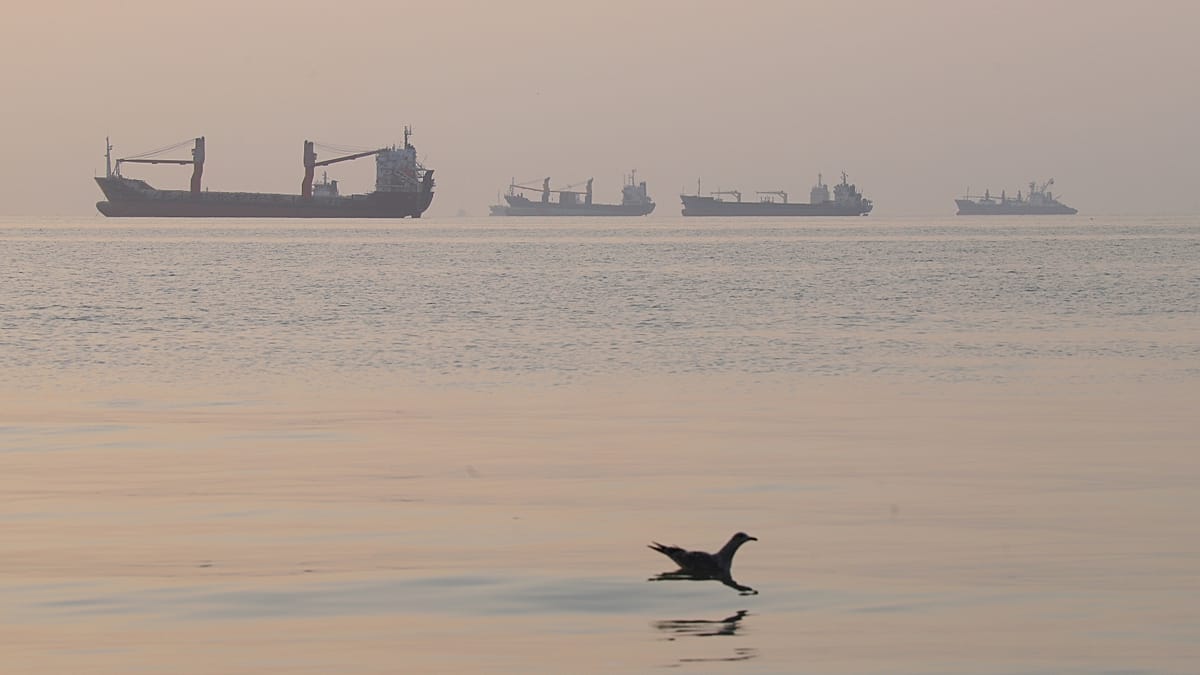
Al Hashmi warned that the continued closure of the Hormuz strait would hit the most vulnerable hardest, and called for it to reopen to shipping as soon as possible. The strait is a key route for Gulf oil and liquefied natural gas exports. On Tuesday, Sheikh Mohammed joined ministers from Saudi Arabia, France, Britain, Germany and Italy in Paris to discuss the war on the sidelines of a G7 meeting.