US lawmakers seek probe into DHS use of customs law to secretly gather data on journalists
Two congressional Democrats have asked a federal watchdog to investigate how the Department of Homeland Security used administrative summonses to obtain records on journalists, unions and nonprofits without court approval.
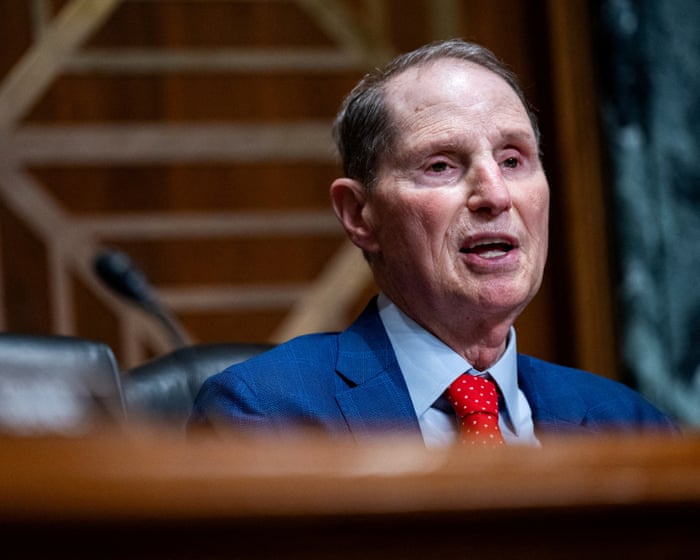
Senator Ron Wyden of Oregon and Representative Pramila Jayapal of Washington sent a request to the Government Accountability Office (GAO) on Tuesday, asking the nonpartisan watchdog to examine how the Department of Homeland Security (DHS) has been using administrative summonses meant for customs matters to make far-reaching demands for personal data.
According to reporting by the Guardian, DHS's investigative arm has used the tool to secretly obtain six months of phone records belonging to Minneapolis journalist Georgia Fort. In another instance, the agency issued a summons to Google seeking information on the YouTube accounts of Fort and journalist Don Lemon, after a judge had twice turned down a warrant request for the same data, saying the two should have a chance to contest it. The records were sought after prosecutors charged Fort and Lemon with civil rights offenses tied to a protest they covered at a church in Saint Paul, Minnesota, in January. Both deny wrongdoing.
DHS has also used the summonses to obtain financial records from labor unions and Venmo transaction data from a nonprofit, and has sent similar demands to tech companies including Meta, X and Reddit in efforts to identify anonymous critics of the department.
The lawmakers asked the GAO to examine language commonly included in these summonses that discourages recipients from telling users their data was requested. Privacy advocates say such language carries no legal weight, but the letter notes that companies in heavily regulated industries — telecommunications, pharmaceuticals, auto manufacturing and banking — often comply anyway out of fear of regulatory consequences, citing AT&T and CVS as examples that have pointed to such requests when explaining why customers weren't notified.
A GAO spokesperson confirmed the request had been received and was under review. Wyden and Jayapal separately asked the body overseeing federal court policy to revise subpoena templates to make clear that recipients may disclose a subpoena's existence unless a court order specifically bars them from doing so.