Congress Allows Decades-Old Spying Law to Expire Amid Trump's Controversial DNI Nomination
Congress failed to extend Section 702 of FISA on Thursday night, letting it lapse for the first time since 2008, as President Trump's nominee for director of national intelligence faces opposition over lack of experience and potential misuse of surveillance powers.
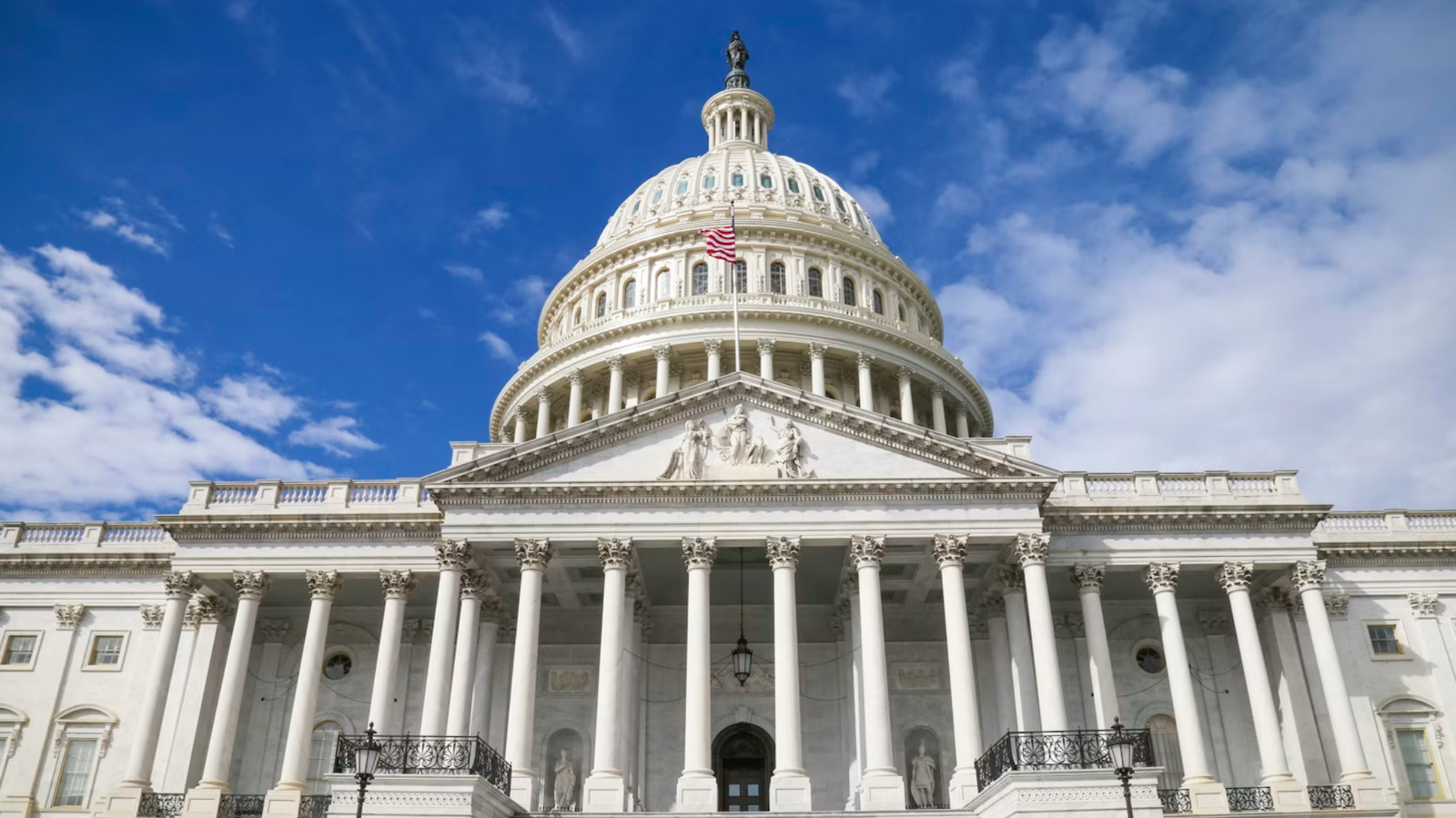
According to a Politico report, Congress failed to extend a key surveillance law on Thursday night. This effectively means that Section 702 of the Foreign Intelligence Surveillance Act (FISA) will expire for the first time since 2008, as the House isn't expected to vote again until June 23. The House rejected a proposal that would have extended the law until July 2, on a 218-198 vote. The extension actually required a two-thirds majority, but didn't even get a simple majority. Nearly 20 Republicans joined with Democrats to block the motion. A few hours later, Oregon Senator Ron Wyden blocked a couple of proposed extensions for the law in the Senate.
The law has been around for nearly 20 years and has been renewed under multiple presidencies from both parties. However, the current impasse is linked to President Trump's announcement that he plans to install political ally Bill Pulte as director of national intelligence. Democrats have raised concerns over Pulte's appointment, citing his lack of intelligence experience and fears that he could use sensitive information obtained via Section 702 for political or personal purposes. Pulte regularly insinuated that Federal Reserve board member Lisa Cook engaged in mortgage fraud, an allegation that has since been debunked; Cook was removed from her post by Trump last August. Trump has since nominated Jay Clayton, the top federal prosecutor in New York City, for the intelligence job. However, he has suggested that Pulte could take the job on an acting basis. "There needs to be a clear guarantee that Mr. Pulte will not serve as acting DNI," Senator Mark Warner wrote in a statement.
Section 702 allows the government to conduct warrantless surveillance of foreign targets located outside the United States. It also permits agencies like the NSA and the FBI to spy on Americans if the action is "reasonably likely" to collect foreign intelligence. As one would expect, authorities have played fast and loose with that "reasonably likely" standard. Law enforcement agencies have been caught misusing data many times since 2008. The FISA court found tens of thousands of improper database searches in 2017 and 2018 alone. A judge also ruled in 2019 that the FBI and NSA committed multiple violations of either the law or privacy-minded court orders when collecting data from phone and tech companies. House Democrats are pushing for "meaningful reforms" of the law. "Section 702 is a critical foreign intelligence authority, but we cannot in good conscience vote for reauthorization without significant reforms to protect both national security and the constitutional privacy rights of Americans," House Minority Leader Hakeem Jeffries and other leaders said in a joint statement.