US home battery installations hit record high on rising electricity costs
In early 2026, US residential battery installations set a record of 673 megawatts, driven by state incentives and rising electricity prices.
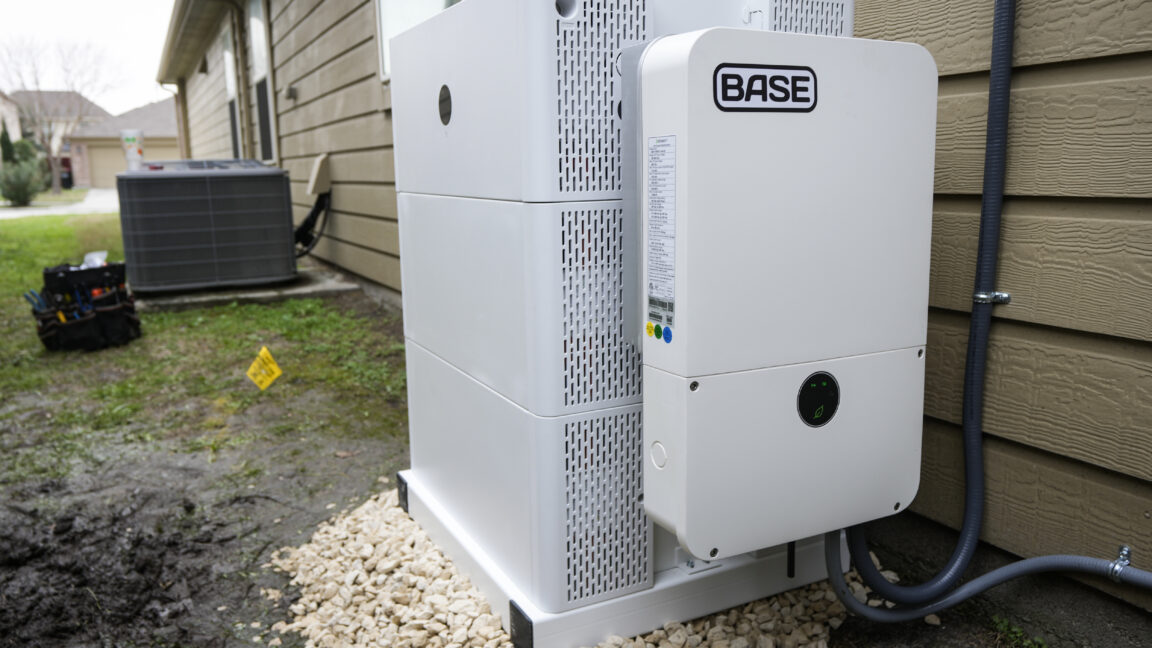
US homeowners have embraced home batteries in record numbers during early 2026, spurred by state incentives and the need to offset rising residential electricity costs. According to the US Energy Information Administration, new home battery installations reached 673 megawatts of energy storage in the first quarter of 2026 – a record high.
This trend was driven by states with high electricity prices that have implemented policies to incentivize home battery installation, as reported by Bloomberg News. It is a natural next step for states that have already boosted rooftop solar, since batteries allow homeowners to use stored solar energy at night. California and Hawaii accounted for the majority of new residential battery storage, while Texas and Arizona also saw significantly higher installations.
California incentivizes homeowners with solar panels to also install batteries by offering better pricing for electricity exported to the grid after sunset. Hawaii offers a one-time payment of $400 per kilowatt of installed battery storage.
However, the record battery installations coincided with a slowdown in residential solar panel installations – the result of the Trump administration and Republican-driven One Big Beautiful Bill eliminating a 30 percent federal solar tax credit for homeowners. Despite that, US solar power generation continues to rise and even surpassed coal-fired generation in April.
The battery installation spree also aligns with rising electricity costs. The EIA's latest data shows the nationwide average residential electricity cost increased by more than 7 percent in April 2026 compared to April 2025. Homeowners with smart battery-management systems can benefit by storing energy when prices are lowest and using it during peak demand.