US military gives Elon Musk's SpaceX access to restricted space tracking data
The US Space Force has for the first time given a commercial company, SpaceX, enhanced access to the military's most precise data on objects in orbit. Industry observers say it may advantage Elon Musk's firms and raises national security questions.
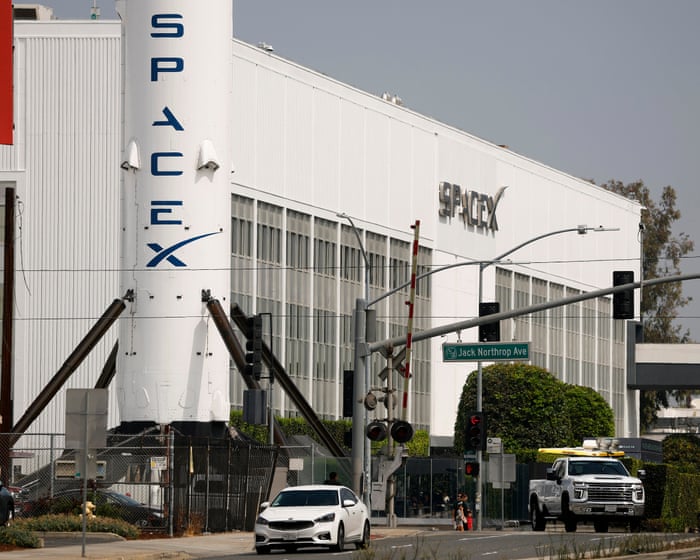
The US military has granted Elon Musk's space company SpaceX access to restricted data used to track satellites and other objects in orbit. According to The Guardian, SpaceX and the US Space Force signed a new contract. Industry observers say the decision raises questions about whether the administration is handing space traffic oversight to a private firm, as well as national security concerns.
What data is involved
The Space Force has for the first time given a commercial company "enhanced" access to the most detailed and secure version of the US Space Command's High Accuracy Catalog. It includes Vector Covariance Messages, built from data gathered by military sensors, telescopes and ground radars. These can track objects in low orbit down to about 10cm in size. The data is designated controlled unclassified information, and the military has held it closely because it could expose the limits of defence capabilities.
Starlink, SpaceX's broadband internet subsidiary, operates about 11,000 satellites and could have as many as 20,000 in coming years. The company also uses its own system, Stargaze, but it sees only objects larger than about half a metre and is less accurate than the military system. In return, the government gets access to Stargaze cameras and sensors.
Background: an unfinished civilian system
The first Trump administration created the Traffic Coordination System for Space (Traccs) to take over commercial space traffic coordination from the defence department. It has never been fully funded or staffed. In 2025 Musk's Doge fired many of its staff. For fiscal year 2026 the administration tried to largely defund the $65m programme, but Congress restored the money. The administration again proposed cutting the budget to nearly zero for fiscal year 2027, and the House again reinserted the funding.
Cole Donovan, a former Traccs employee now with the non-profit Stand Up for Science, said the move makes SpaceX the de facto source of space traffic coordination in the US. A former official of the National Oceanic and Atmospheric Administration, speaking anonymously, said SpaceX has largely been responsive to space safety concerns and directed criticism at the government for failing to establish a coherent governance framework.
A Space Force spokesperson told Breaking Defense the force is working with several companies to exchange commercial data for access to parts of the controlled information. SpaceX and the Space Force did not respond to the Guardian's requests for comment.


