US imposes sanctions on the International Criminal Court as an institution
On 9 October the US imposed sanctions on the International Criminal Court in The Hague, blocking its assets under US jurisdiction and restricting dealings with it. The EU has urged Washington to reverse the move, while experts warn of consequences for the court and for the planned Ukraine aggression tribunal.
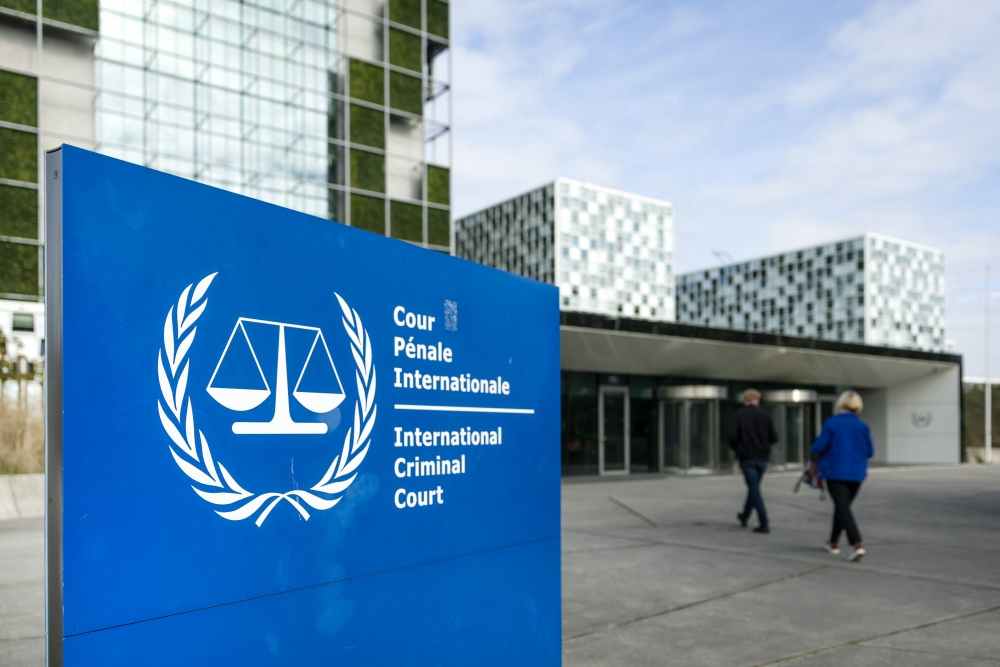
On 9 October the United States imposed sanctions on the International Criminal Court (ICC), a permanent international court in The Hague, the Netherlands, that investigates genocide, war crimes, crimes against humanity and the crime of aggression. Earlier US restrictions targeted individual judges and prosecutors; the new measures hit the institution itself. They could hamper the court's work and also affect the planned Special Tribunal for the crime of aggression against Ukraine.
What the sanctions involve
The sanctions block the court's assets held under US jurisdiction and limit the ability of individuals and companies to do business with it. This may affect financial settlements, software and other technology services. A six-month transition period applies before the measures take effect.
Previously, following an executive order signed by President Donald Trump in early 2025, the US imposed visa bans and froze private assets of judges, prosecutors and related organisations that investigated the actions of the US and its ally Israel. The latest decision came after the Nobel Peace Prize was awarded to Navanethem Pillay, a former ICC judge.
At the core of the dispute are the court's investigations into alleged war crimes by US soldiers in Afghanistan and Israeli officials in the Gaza Strip. Washington argues that such proceedings without the consent of the states concerned threaten their national security. The ICC says its work rests on international law and evidence. The US, Israel, Russia and China are not parties to the Rome Statute, which 125 states recognise, including Latvia.
Possible consequences
If banks and technology firms fear repercussions, they may stop cooperating with the court even outside the US. That could complicate investigations, witness protection and the enforcement of decisions. The court has no police force of its own and depends on states to cooperate.
The EU's High Representative for foreign affairs, Kaja Kallas, called on the US to lift the sanctions, and the European Commission pledged to take the necessary steps. UN Secretary-General António Guterres described the decision as a serious blow to efforts to achieve justice. Latvian Foreign Minister Baiba Braže said the ICC is an important instrument for holding Russia accountable for its aggression against Ukraine.
Ieva Miļūna, a lecturer in international law at Riga Graduate School of Law, noted that the Special Tribunal is being set up under the Council of Europe, so crimes in the Russia–Ukraine war will not fall under ICC jurisdiction, although the tribunal will likewise depend on state cooperation. Uldis Ķinis, a former judge, warns that pressure could push member states to distance themselves or withdraw, reducing the court's influence.