US House stalls Graham's Russia sanctions bill, vote may slip past midterms
A Russia sanctions bill that the Senate approved by a wide margin last month is facing growing resistance in the House of Representatives and will likely be blocked at least until the November midterm elections.
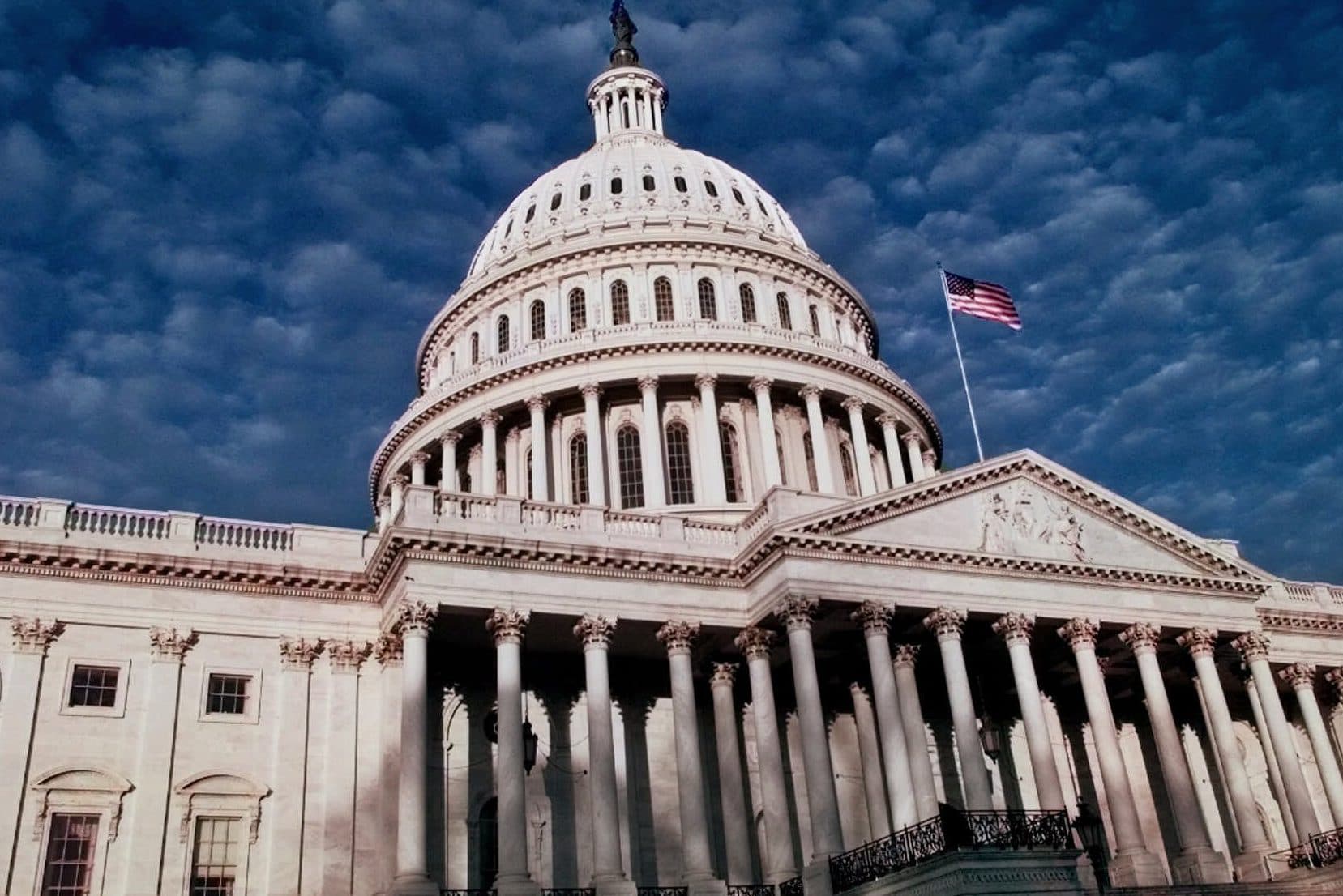
The bill, authored by the late Senator Lindsey Graham of South Carolina, would grant President Trump authority to impose 100-percent tariffs on the five largest importers of Russian oil and natural gas, as well as on five countries helping Russia evade energy sanctions. China, India and Turkey are the top buyers of Russian oil products.
The Senate passed the measure on August 7 by an 86-11 vote, a margin that largely reflected colleagues' wish to honor Graham's memory following his sudden death in July. The House, however, is treating the idea far more cautiously.
House Speaker Mike Johnson said Thursday he doubts the bill can reach a floor vote before the November 3 midterm elections, partly because lawmakers will spend only a handful of working days in Washington over the next two months. Johnson noted that senior Democrats on the foreign affairs and tax-writing committees oppose the measure, and that pockets of concern also exist among House Republicans.
House Foreign Affairs Committee Chairman Brian Mast said the bill's potential effect on gasoline prices is being weighed, since forcing India and other buyers of Russian oil toward other markets could push prices up. Gasoline prices have already risen sharply amid the war with Iran and are widely seen as a political risk for the Republican majority ahead of the November elections.
Democrats, for their part, worry Trump could use the bill as new legal cover for sweeping tariffs, since his existing tariffs are currently being challenged in court. If Johnson tries to move the bill under the House's expedited procedure, which requires a two-thirds majority, he will need substantial Democratic support.
Opposition has also come from retailers and the influential U.S. Chamber of Commerce, who fear the measure could open the door to broad new tariffs. Democratic Senator Richard Blumenthal, a co-author of the bill, had earlier expressed hope it would win final passage in September 2026. The legislation would also extend existing sanctions against Iran.