US House passes $1.15tn defense bill amid outcry over Iran war and voter restrictions
The House approved the National Defense Authorization Act on a near party-line vote, sparking bipartisan backlash over its funding of the Iran conflict and inclusion of election security measures.
The US House of Representatives passed the $1.15 trillion National Defense Authorization Act (NDAA) on Wednesday by a vote of 216-212, drawing sharp criticism from lawmakers on both sides. All but six Democrats opposed the bill, while seven Republicans broke ranks to vote against it.
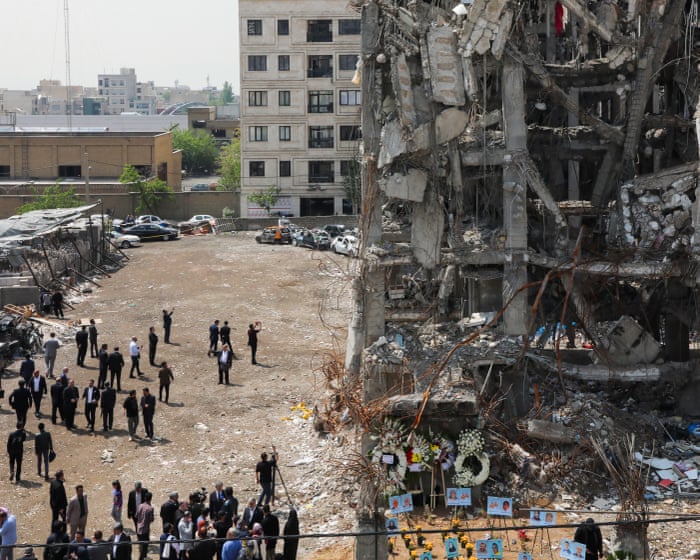
The massive defense policy bill has become controversial because President Trump joined Israel in attacking Iran without prior congressional authorization. Defense Secretary Pete Hegseth said the war has already cost $37.5 billion. Last week, Senate Democrats blocked their chamber's version of the NDAA in protest.
Democratic Representative Ilhan Omar of Minnesota posted on X: "While millions of Americans are struggling to afford basic necessities, Congress is choosing to authorize over $1tn for the Pentagon, once again funneling billions of taxpayer dollars to defense contractors instead of investing in the needs of working people." She added that Americans are "sick and tired of funding atrocities abroad and want this war with Iran to end."
Complicating matters further, House Speaker Mike Johnson acceded to rightwing demands by inserting the Save America Act into the legislation — a Trump-backed proposal to ban mail-in ballots and impose stricter voter ID requirements. "This means the NDAA is now tied to Trump's attempt to steal elections," said Democratic Representative Jerry Nadler of New York. He called the bill "costly, bad bill that funds an illegal war and undermines our democracy."
Section 219 of the NDAA, which establishes the US-Israel Defense Technology Cooperation Initiative, also drew fire from Republicans. Kentucky conservative Thomas Massie called it "a betrayal of our sovereignty," and far-right Representative Lauren Boebert said she skipped the vote because of Section 219.
The bill now moves to the Senate, where its fate remains uncertain.