US transfers 18 suspects in assassination of Haiti's president Moïse to face trial
Eighteen suspects in the 2021 assassination of Haitian president Jovenel Moïse have been flown to Florida to face trial, US officials said Sunday. A key suspect in the plot is among those extradited.
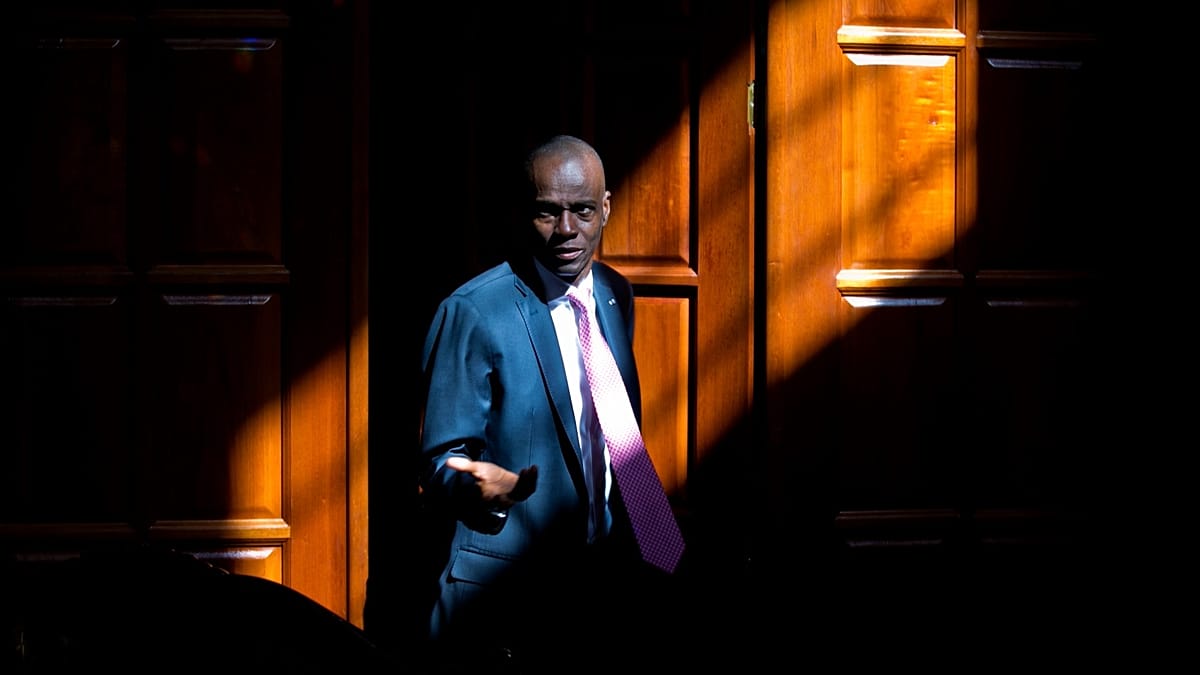
Eighteen people suspected of involvement in the 2021 assassination of Haitian president Jovenel Moïse have been transported by military plane from Haiti to Florida, where they will face trial in US federal court, officials announced Sunday.
Moïse, 53, was shot dead at his private residence on 7 July 2021 by a group of roughly 20 military-trained Colombian mercenaries, while his security detail failed to intervene.
FBI special agent Brett Skiles said on social media that the latest arrests, carried out across multiple locations and countries, reflect the bureau's ongoing commitment to holding all those involved in the plot accountable. Federal prosecutor Jason Reding Quinones said the 18 suspects were flown to face justice in the Southern District of Florida, adding that the investigation is ongoing, with 30 people indicted so far in connection with the killing.
Among those extradited is a central figure in the case, Joseph Felix Badio, a former anti-corruption official at Haiti's Ministry of Justice, according to Haitian government and police sources. The rest of those transferred are Colombian mercenaries. Colombia's Ministry of Foreign Affairs said Sunday it was monitoring the transfer of 17 Colombian citizens from Haiti to the United States, stating that Bogota had not intervened in the decision, which falls under the jurisdiction of the countries involved.
In May, a federal court in Miami convicted four men of conspiracy to kill or kidnap Moïse and related charges; they face possible life sentences. All four had ties to CTU, a Florida-based private security firm. Eleven other people had previously been indicted in US courts in connection with the case.
Haiti has descended further into chaos since Moïse's killing and currently has no president. Gangs control about 80% of the capital, Port-au-Prince, and kidnappings and armed robberies remain widespread. The country is preparing to hold its first presidential and legislative elections since 2016, along with a constitutional referendum, on 13 December, provided security conditions allow.