US police worried Meta smart glasses could be used to secretly film officers
Internal memos show US law enforcement agencies increasingly fear Meta's smart glasses could be used to covertly record police facilities and officers. Agencies including the NYPD and ICE have already issued warnings or restrictions on the devices.
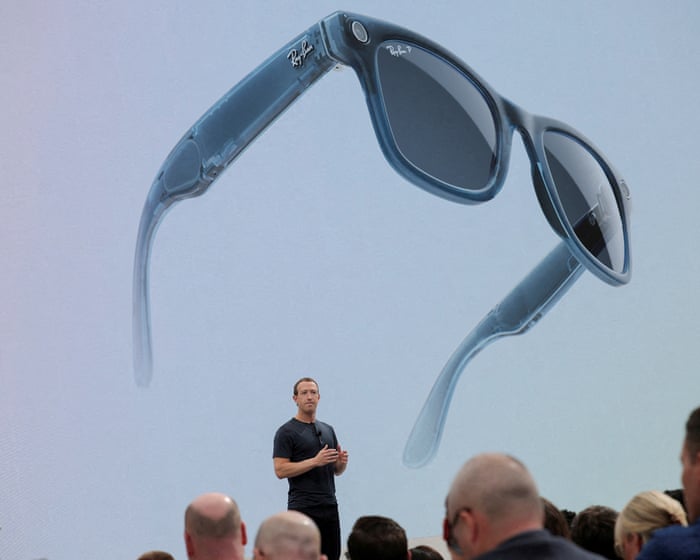
A series of previously unreported internal memos reveal growing concern among US law enforcement agencies over Meta's smart glasses, which contain small cameras and microphones. In January, the New York Police Department's counterterrorism unit told officers to inspect eyewear worn by detainees, warning the glasses could be used to secretly record cell layouts, camera positions and patrol routines inside police facilities.
The concern followed videos posted on social media, including footage taken inside a South Carolina detention center previously under federal investigation for unsafe conditions. The video showed a shower area, holding cells, a crowded cafeteria and other detainees going about their day, apparently unaware they were being filmed. The glasses closely resemble ordinary eyewear, with the only giveaway being a small blinking light that activates during recording.
Similar warnings have come from law enforcement fusion centers in Maine, California, Tennessee, Virginia and elsewhere, coordinated in part through Department of Homeland Security networks. Some memos note that certain smart glasses can run facial recognition software, raising fears officers could be identified and doxed.
In August, US Immigration and Customs Enforcement barred employees from wearing the glasses in federal workspaces, classifying them as body-worn cameras capable of unintentionally capturing sensitive information. Meta has said its glasses are designed to be noticeable, featuring an LED light that cannot be disabled while recording.
Law enforcement memos also raised concerns the glasses could aid attack planning, citing the January 2025 New Orleans truck attack, in which the perpetrator reportedly wore smart glasses while scouting the area beforehand. Privacy advocates argue the police reaction is hypocritical, noting that agencies routinely surveil the public but object when the same technology could be turned on them.