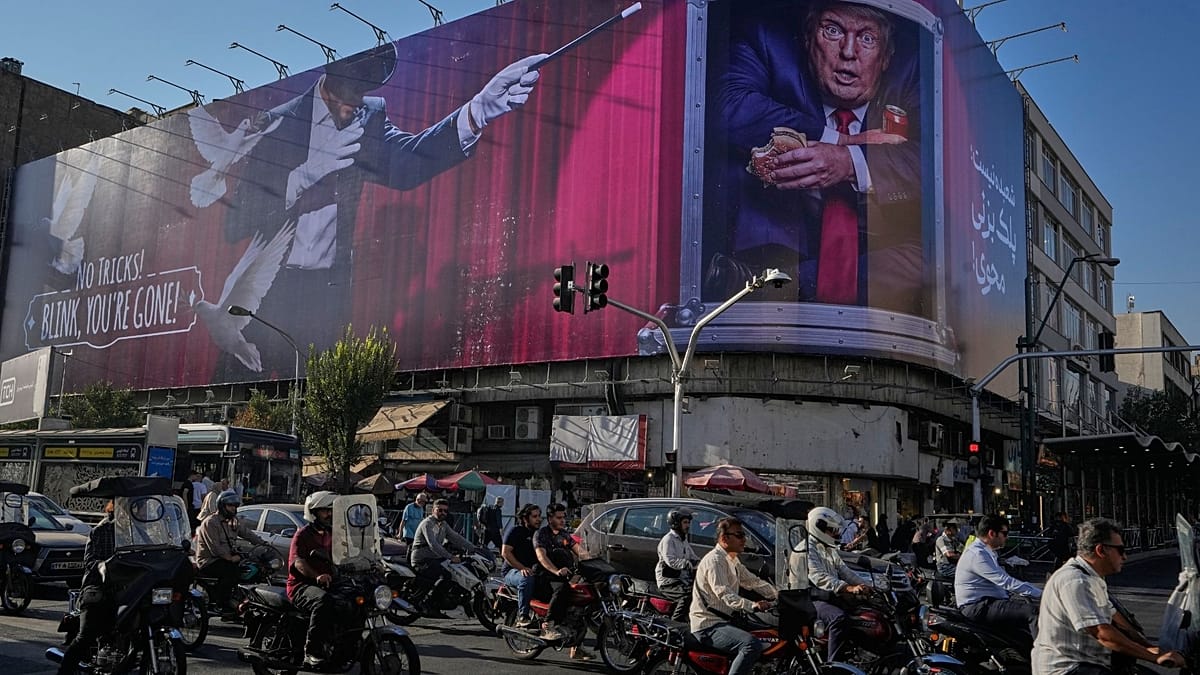
US and Iran trade fire again as Trump vows further action
US and Iranian forces exchanged strikes for the first time in a month, with Washington hitting Iranian rocket launchers in the strait of Hormuz and Tehran retaliating against US bases in Jordan and a drone over the UAE. Trump has threatened a tougher response.
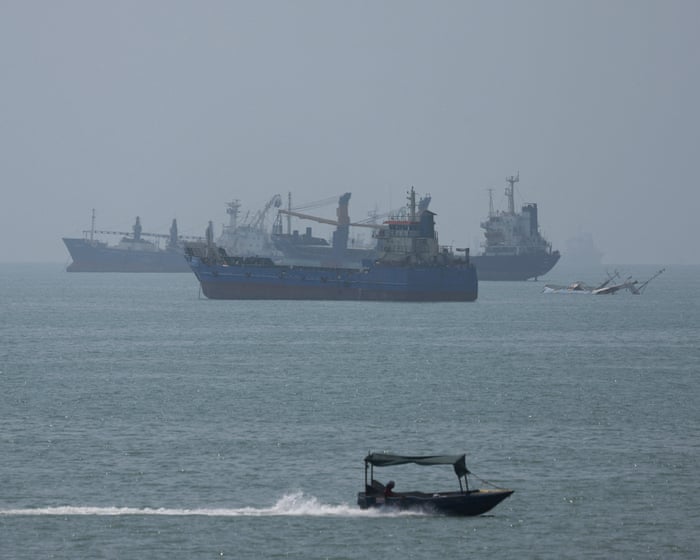
The United States and Iran exchanged fire late on Sunday for the first time since July, breaking a month-long pause in direct military confrontation. US Central Command said it struck two Iranian rocket launchers on Larak Island in the strait of Hormuz after detecting preparations to lay fresh sea mines in the waterway, which carried a fifth of the world's seaborne energy supply before the war.
Iran's Islamic Revolutionary Guard Corps said it responded with ballistic missile strikes on the US-operated King Hussein and al-Azraq airbases in Jordan, causing what it described as heavy damage to technical infrastructure and aircraft positions. The UAE said it intercepted a drone over its territorial waters. The IRGC claimed three of its soldiers were killed in the US strike and said its air defences downed a US MQ-9 drone over the strait; Washington said missiles fired at its Jordan bases were all intercepted.
President Donald Trump told Fox News the US would hit back hard, describing Iran as a failed state without a functioning air force, navy or stable currency, and citing inflation of around 300%. Even so, the White House had signalled last week that Trump favoured tightening sanctions over further military escalation to pressure Tehran economically.
Speaking at the Shanghai Cooperation Organisation summit in Kyrgyzstan, Iranian President Masoud Pezeshkian told Pakistan's prime minister, Shehbaz Sharif, that prolonging the conflict was not in Iran's interest and that he remained willing to implement a Pakistan-mediated memorandum of understanding reached with the US in June. Iran's currency came under renewed pressure on Monday, deepening concern among Iranian lawmakers over inflation.
An independent tracking agency reported that crude oil exports through the strait of Hormuz averaged 3.8m barrels a day over the past week, sharply down from roughly 9.8m during the earlier ceasefire period. At a G20 finance ministers' meeting in North Carolina, US Treasury Secretary Scott Bessent said the renewed Iranian strikes reflected economic desperation under sanctions, while China said it opposed Washington's expanded sanctions campaign against Iran.