US and Iran signal hope for Hormuz deal but terms remain unclear
US officials and Iran have both expressed optimism about a possible agreement over the Strait of Hormuz, but key disagreements persist, and Tehran says any deal does not guarantee the waterway's immediate reopening.
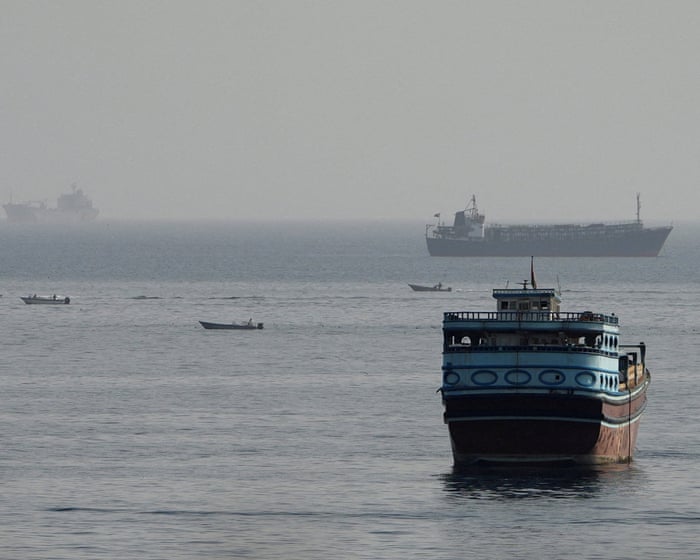
US and Iranian officials have indicated that a deal on the Strait of Hormuz might be close, even as the details remain vague and the waterway stays shut since late February.
President Donald Trump told reporters that it "could happen. Tomorrow or the next day," adding that "a lot of progress has been made." Iran also said that talks with Oman to reopen the critical shipping route were progressing "positively." Secretary of State Marco Rubio and Treasury Secretary Scott Bessent echoed that sentiment, saying progress had been made.
The strait carried about a fifth of the world's oil and gas supply before the war, and its closure on 28 February has sent global energy prices soaring.
Yet major obstacles remain. Iran is pushing for greater control over the strait, a demand the US firmly rejects. Tehran also insists on the removal of the US naval blockade on Iranian ports and has threatened to keep the strait closed if "the United States continues to threaten Iran." Both sides accuse each other of breaching a June memorandum of understanding that unraveled after about a week.
Iran's state broadcaster IRIB, citing an informed source, said that any possible Iran-Oman agreement on vessel traffic is unrelated to the immediate opening of the strait. The negotiations are purely Iranian-Omani and have no connection to the United States, the source said, adding that the strait will not open unless the US changes its behaviour and corrects violations.
One idea under discussion, according to The Associated Press, is for Iran to manage vessels entering the Gulf while Oman handles the exit route, with service fees charged for safety and protection. But Trump has rejected any arrangement that would let Iran charge fees: "I'm not going to let them charge. Anybody's going to charge, we'll charge."
Oil prices have rebounded after recent falls, with Brent crude climbing back above $80 a barrel. In the UK, filling a tank of diesel now costs £100, while petrol prices have hit a new high since the war began.
