US and Qatar report progress on Iran ceasefire and reopening Hormuz strait
US and Qatari officials say progress is being made on restoring a ceasefire with Iran and reopening the Strait of Hormuz, though the waterway remains closed and talks face resistance from Oman and hardliners in Tehran.
Diplomatic push
US and Qatari officials expressed optimism on Tuesday that a ceasefire in the US-Iran conflict could be restored and the Strait of Hormuz reopened. The comments helped push oil prices down by 2%, although the strait remained closed. A cargo vessel was reportedly hit by an unidentified projectile off Oman's coast near the strait; Britain's UKMTO reported the strike but did not name the ship.
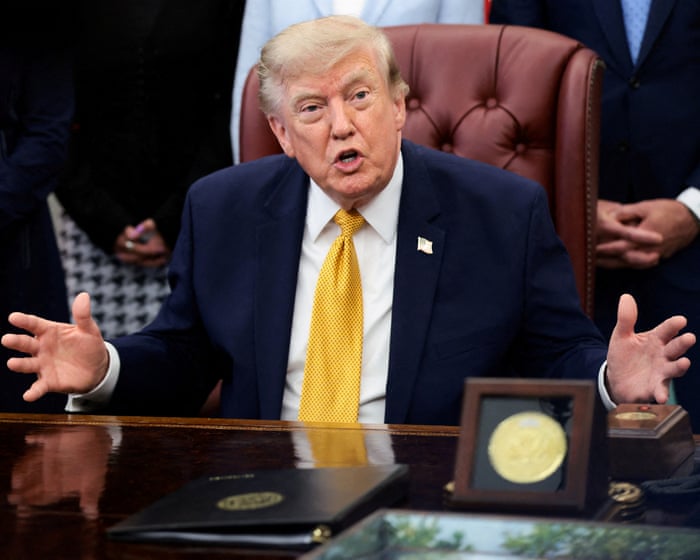
US Treasury Secretary Scott Bessent said Washington and Tehran were negotiating, telling CNBC that a deal could be reached "today or tomorrow" to open the waterway and move toward a more normalized conflict. His remarks followed similarly upbeat statements from Donald Trump on Monday, who said a breakthrough was near; Iran quickly denied direct talks.
Qatari and Pakistani mediators said they were working with both sides to bridge differences and revive the ceasefire agreement signed as a memorandum of understanding in mid-June. The strait normally handles about a fifth of the world's oil and LNG. Qatar's foreign ministry spokesperson, Majed al-Ansari, said Qatar, Pakistan and Oman were coordinating and exchanging draft proposals, reaching "very progressive stages". A senior Pakistani security official said their only goal was to get both parties to agree to start talking.
Proposed transit scheme
Recent talks have focused on a temporary transit arrangement between Iran and Oman to let ships enter and leave the Gulf. The original MoU collapsed in July after vessels tried to use the Omani coast without Iranian permission and were attacked. Under a new plan pushed by the US, Europe and Saudi Arabia, shipping would enter through a route near Iran and leave on a southern route along the Omani coast, with joint control. Iran's demand for tolls would be dealt with during a 60-day period that would also cover Iran's nuclear programme.
Resistance and divisions
Oman has resisted the proposal, fearing it could become permanent and give Iran a lasting say over sea routes in Omani waters. Negotiators also cited splits in Tehran: the foreign ministry wants a deal, while hardliners distrust US promises of financial benefits. Saudi Arabia was pressuring Oman heavily, with one diplomat saying Riyadh feared a regional war because a significant Iranian faction opposes any deal.
