US government proposes reducing public input in grazing regulations on federal lands
For the first time since 1995, the Bureau of Land Management is rewriting grazing rules to expand livestock on 155 million acres in the West while limiting public participation in decision-making.
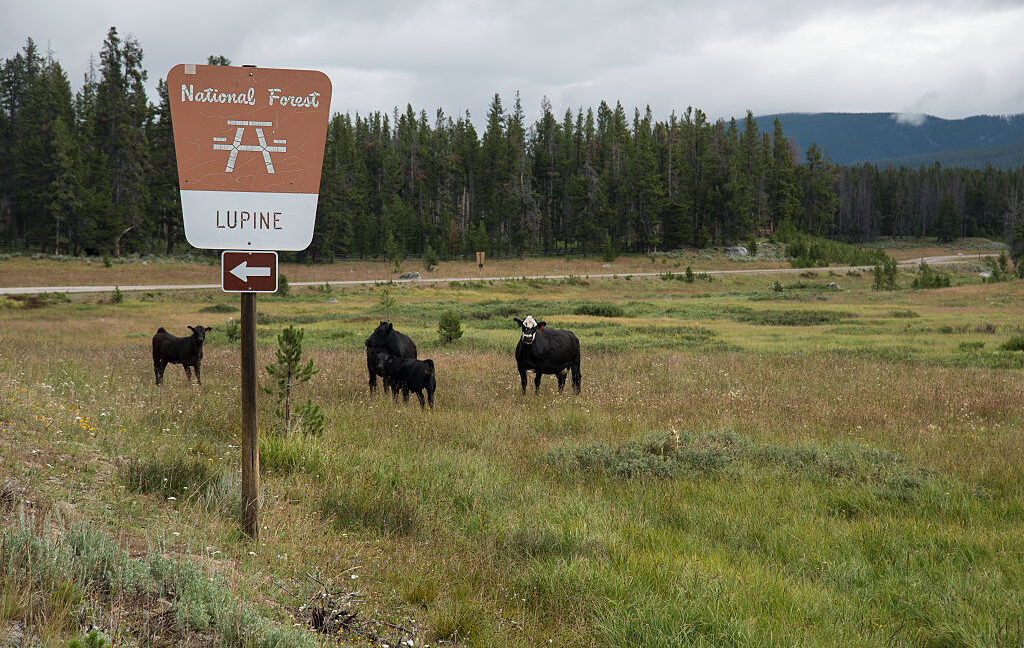
The US Department of the Interior’s Bureau of Land Management (BLM) has proposed overhauling grazing regulations for the first time since 1995, aiming to increase cattle and sheep grazing on 155 million acres of public land across the West. The draft rules, released in May, would significantly restrict public involvement in decisions about issuing or renewing grazing permits. A BLM employee working on rangeland management said the goal is to reduce input from anyone other than ranchers.
The proposal includes requiring the agency to study the ecological impacts of all land uses—from logging to mining—not just livestock, which is currently required. It also allows for informal resolution of minor violations and gives ranchers and the BLM more flexibility in range management.
However, critics like the Western Watersheds Project warn that the regulations will lead to more overgrazing and wildlife damage. Ranching industry groups, such as the Public Lands Council, praise the update as a step forward, saying it reflects scientific and management advances.
Karen Budd-Falen, a high-ranking Interior Department official and longtime grazing advocate, has been involved in drafting the rules. She stated that the new regulations revert to policies from the Ronald Reagan era. Native American tribes that manage bison herds fear losing their permits, as the rules emphasize “production-oriented” livestock operations.
The new regulations also make it easier for ranchers to continue grazing while appealing unfavorable decisions and elevate the role of livestock as firefighting tools by reducing vegetation. Public participation is narrowed: only those with a “cognizable” interest would have a say. The BLM did not respond to questions. The public comment period ends in July, after which the agency will review the proposal further.