US government borrowing costs hit new high as strikes on Iran resume
US government borrowing costs have risen to their highest level since 2007 after the Federal Reserve held interest rates steady, while the US launched fresh strikes on Iranian military targets.
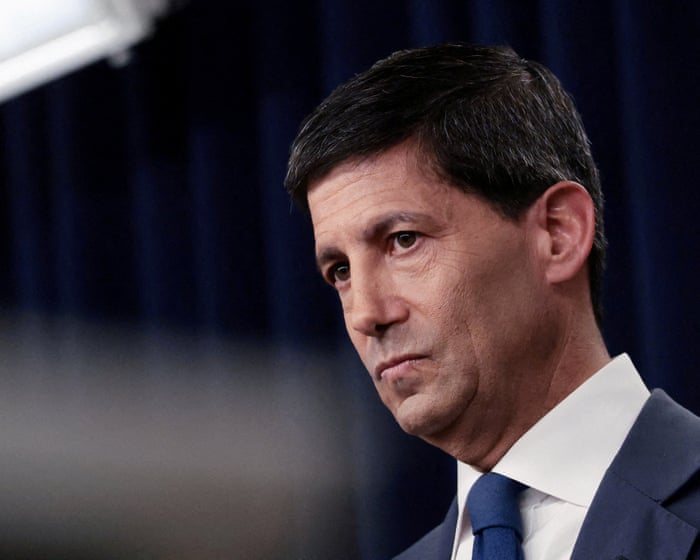
US government borrowing costs hit their highest level since 2007 on Friday after the Federal Reserve voted to keep its key interest rate unchanged, feeding fears it may not move fast enough to curb a rise in inflation. The decision spooked investors worried about the US economy's ability to handle inflation triggered by Donald Trump's war in Iran.
US inflation cooled to an annual rate of 3.5% in June after a brief ceasefire between Washington and Tehran, but that truce has since ended. US stocks fell sharply on Wednesday, with the S&P 500 down 1.5%, the Dow Jones falling 2.2%, and the Nasdaq dropping 1.7%.
The US military launched strikes on Iranian targets in response to Tehran's attack on American forces in Jordan. US Central Command said it struck "dozens" of targets belonging to Iran's Revolutionary Guards Corps over two hours. The strikes came after the US partnered with Saudi Arabia to hit Iran-backed militias in Iraq, killing at least 20 fighters and six Iranian advisers. Oil prices soared, with Brent crude jumping 7.3% to over $88 a barrel.
In other news: Dr. Anthony Fauci declined to answer questions at a Senate committee hearing on Covid-19 origins, accusing Senator Rand Paul of having an "unhinged obsession" with him. The death toll from the powerful earthquake in Japan rose to 30. Russian airstrikes killed at least 13 people in Ukraine on Thursday.