US voters back data center limits; tech industry calls it an anti-Trump wave
In the US midterm elections, voters backed most local measures restricting data centers and elected Democratic governors in states building out AI infrastructure. Tech industry figures say the vote reflects opposition to Trump, not to technology.
In the US midterm elections held on November 3, voters overwhelmingly supported candidates and ballot measures favoring tighter limits on data centers, the facilities that power artificial intelligence (AI) systems. The outcome could slow the rapid AI infrastructure buildout backed by President Donald Trump, particularly projects planned for 2028.
What the results show
Polling firm Redbud Consulting tracked 44 measures across 10 states that sought to restrict data centers, and 38 had passed so far. They include dozens of moratoriums and bans. Analysts say these will not affect data centers already under construction or approved through 2027, but mostly projects planned for later. The only measure that allowed a data center to proceed still required developers in a North Dakota city to pay for independent reviews and hold public hearings.
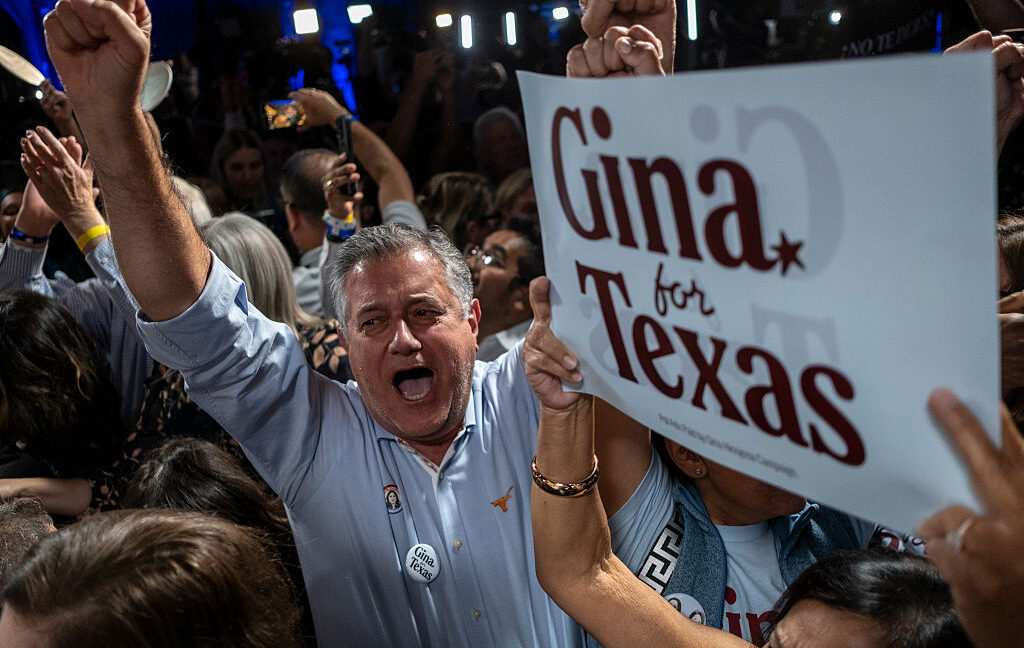
In Texas, widely seen as the center of the AI boom, Democrat Gina Hinojosa won the governor's race. She plans to delay projects until laws are passed on water, electricity, air and property rights. Bloomberg reported that about 13 gigawatts of data center capacity is now exposed. Democrats also won governor races in Arizona, Georgia and Ohio.
Competing interpretations
Adam Kovacevich, a former Google executive and CEO of the tech industry group Chamber of Progress, said the results show little evidence of a voter mandate against AI and urged people not to confuse an anti-Trump wave with an anti-tech mandate. NBC News exit polls found cost of living and government corruption ranked above AI and data centers for voters. The same polls showed three in four voters oppose data centers, and more than half said AI and data centers were a crucial or major factor in their vote for Congress.
Natixis economist Gary Ng said a US slowdown could benefit China. Meanwhile, Elon Musk, who had donated almost half a billion dollars to Republican candidates by October, is pressing on: SpaceX has raised its 2027 data center capacity goal to roughly 13 gigawatts.