Now we know how much tax King Charles pays, and it is very little
For the first time, the king's annual tax bill was disclosed: £12.9m for 2024-25, a small sum compared to his estimated £1.8bn private wealth.
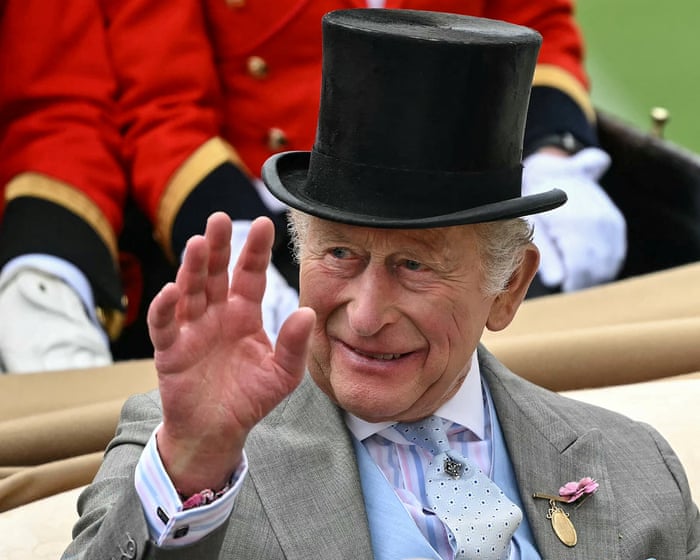
A small part of the secrecy surrounding royal finances was lifted on Thursday with the release of new information. For the first time, the amount of tax paid by King Charles in the past year was revealed. This was not a full tax return but a two-sentence statement showing his tax payable was £12.9m in 2024-25, and a slightly smaller sum the previous year. His total tax since accession amounts to £30m.
Unlike other citizens, the monarch is not liable for tax, but the king and his mother before him have voluntarily paid tax since 1993. The declaration lacks detail: we do not know his total income, the full value of his private fortune, or how much his bill was reduced by expenses related to royal duties.
One startling fact emerges: the king's tax bill is low even compared with those of smaller fortunes. According to the Guardian's 2023 'Cost of the Crown' investigation, the king's private wealth—known as the privy purse—is estimated at least £1.8bn. This includes the Duchy of Lancaster, a £690m land and property portfolio that provides £25m annual income, plus other assets like cars, jewels, art, and the private residences of Balmoral and Sandringham. The amount held in financial investments and their revenues is unknown.
The tax the king pays covers all the privy purse. Without knowing his total income, it is impossible to calculate his effective tax rate, but comparisons raise questions. The Sunday Times tax list shows hedge fund boss Suneil Setiya, also worth an estimated £1.8bn, paid £114m in tax—ten times what the king paid in 2023-24. Musician Ed Sheeran, with a £410m fortune, paid £20m; author JK Rowling, worth around £975m, paid £47m; and even Norwegian footballer Erling Haaland paid £17m—more than the king.
Without more details on the privy purse, it is impossible to say why the king's bill is so low. What is known is that the Duchy of Lancaster is not subject to taxes that a company or trust would pay—capital gains from property sales and rental income can accumulate and be reinvested tax-free, allowing the king's wealth to grow faster. The privy purse operates like a mini tax haven. The palace says the king voluntarily pays capital gains on his private holdings and that accounts are externally audited annually, but that part of his holdings remains private. No other citizen has such discretion over the tax they choose to pay.


