Scientists Identify Mechanism That Could Prevent Statin-Related Muscle Pain
Researchers at McMaster University have discovered a biological pathway that may explain why statins cause muscle pain and weakness in some patients. The finding could lead to treatments that prevent these side effects without reducing the drugs' cholesterol-lowering benefits.
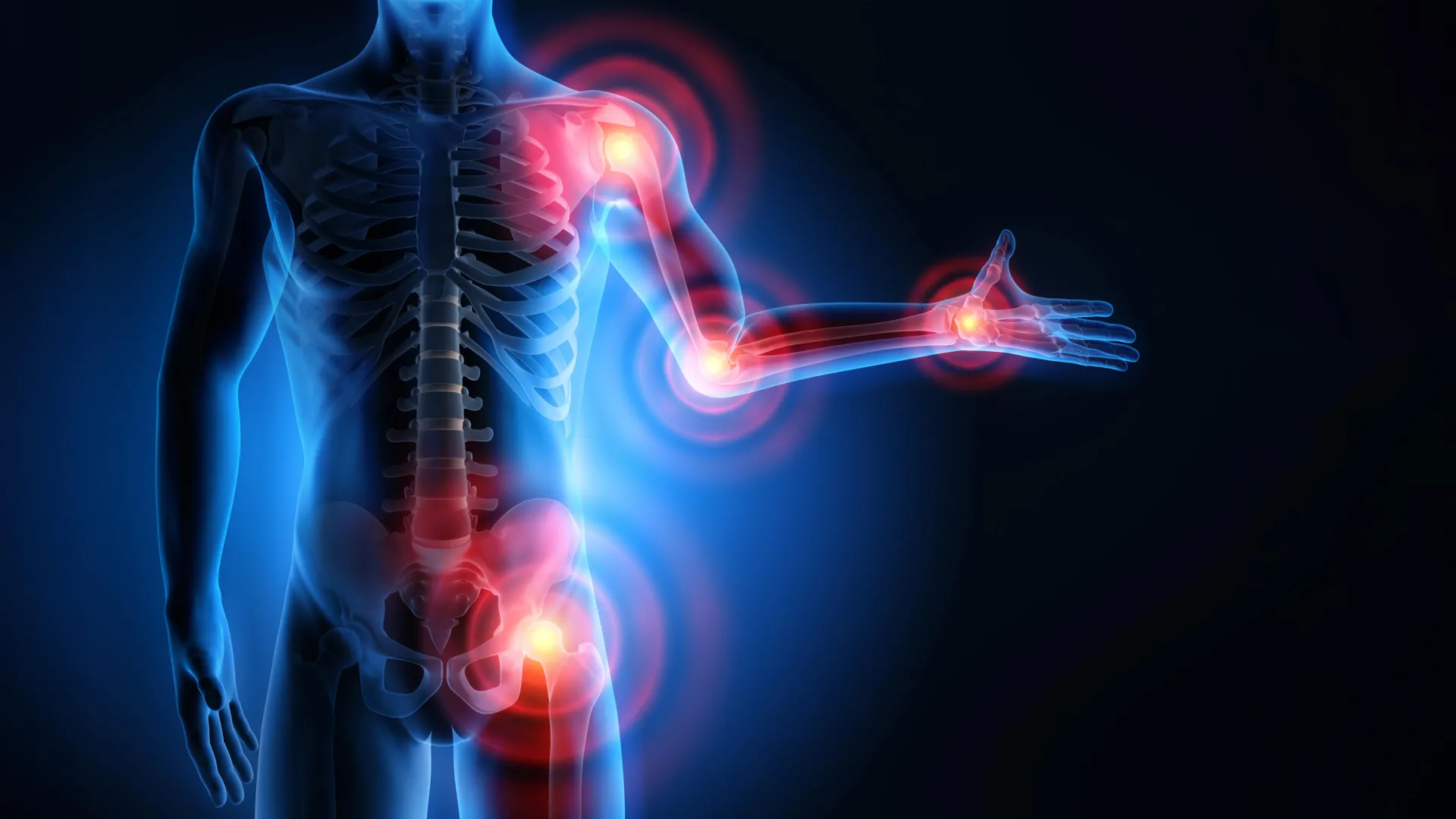
Millions of people worldwide take statins to lower cholesterol and reduce their risk of heart attack and stroke. For some patients, however, these medications cause muscle pain, weakness, and difficulty exercising, making it harder to stick with treatment. Researchers at McMaster University have now identified a biological pathway that may help explain why these muscle symptoms develop and could eventually make statins easier to tolerate.
Why Statin Side Effects Matter
The study, published in Science Advances, points to a previously unrecognized interaction between the immune system and muscle cell metabolism. This interaction appears to contribute to muscle damage caused by statins and challenges earlier ideas about how these side effects arise.
Jonathan Schertzer, a professor in McMaster's Department of Biochemistry and Biomedical Sciences and senior author of the study, said statins are among the most effective medications for reducing cardiovascular disease risk and preventing early death. Unfortunately, muscle side effects lead some people to reduce their dose or stop taking the medication altogether. The team wanted to understand why this happens and whether it might be possible to separate the side effects from the benefits.
An estimated 7 to 29 percent of statin users experience muscle-related symptoms. Although the connection between statins and muscle problems has been recognized for years, the underlying biological processes were not fully understood.
Key Findings
The research was led by first authors Nazli Robin and Nicole Barra of the Schertzer Lab. Their team found that statins can interfere with the way muscle cells generate energy. That disruption appears to activate an immune response inside the muscle cells, leading to tissue damage. In experiments involving muscle cells and mouse models, the researchers prevented much of the damage by blocking the immune response.
One of the most exciting findings is that the mechanism causing muscle side effects appears to be separate from the mechanism that lowers cholesterol. This suggests it may one day be possible to target side effects without interfering with the cardiovascular benefits that make statins so valuable.
A Surprising Connection Between Immunity and Metabolism
The findings also uncovered an unexpected relationship between metabolism and the immune system. Changes in how muscle cells processed energy caused the cells to activate their own immune response. This offers new insight into how inflammation may contribute to medication side effects and provides several possible targets for medications designed to prevent statin intolerance.
More research is needed before the findings can be developed into treatments for patients. Still, the newly identified pathway provides promising directions for making these important medications safer and more effective in the future.
International Collaboration
The project involved researchers from the Centre International de Recherche en Infectiologie (CIRI) in Lyon, France; the Centre for Muscle Research at the University of Melbourne, Australia; the Murdoch Children's Research Institute and The Royal Children's Hospital in Australia; York University in Canada; and McMaster's Department of Pathology and Molecular Medicine. The research was funded by the Natural Sciences and Engineering Research Council of Canada (NSERC).