Australian researchers identify a new depression subtype: circadian depression
Australian scientists analysing data on 11,380 people have identified a depression subtype linked to disruption of the body's internal clock. It responds less well to conventional antidepressants.
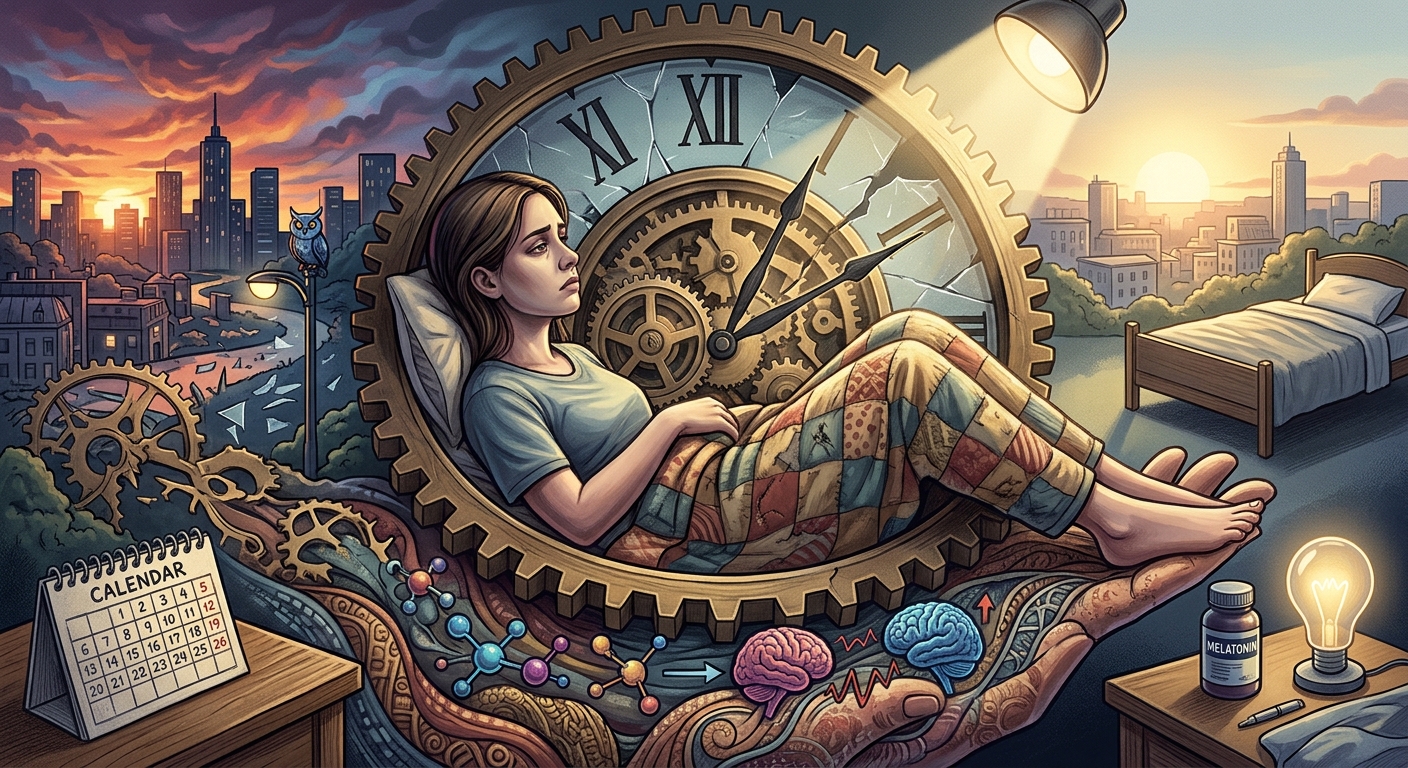
Researchers in Australia have identified a new subtype of depression, which they call circadian depression. It is tied to disruption of the body's internal biological clock and, according to the scientists, is less responsive to traditional antidepressant treatment. The findings were reported by the British newspaper The Guardian. The results may help develop more targeted treatment for people with severe depression.
What the study found
The team examined clinical and genetic data from 11,380 Australians, mostly patients with severe and recurrent depression. Circadian depression was present in 23% of cases.
Dr. Emiliana Tonini, a researcher at the University of Sydney's Brain and Mind Centre, says these patients have more severe symptoms and that the illness begins at an earlier age than other forms of depression. They also have more depressive episodes, a more severe course of illness, more frequent suicidal thoughts, and hypomanic and psychotic symptoms.
Several metabolic and inflammatory markers were also found. In the researcher's words, they indicate that circadian depression has biological underlying mechanisms and is not simply depression accompanied by poor sleep. These people also have a higher genetic risk of attention deficit hyperactivity disorder (ADHD).
How it is identified
A patient was classed as having circadian depression if they showed at least three of six features:
- seasonal pattern of illness;
- late bedtime;
- longer sleep during depressive episodes;
- a tendency towards an evening chronotype, or "night owl" pattern;
- marked tiredness after waking;
- a "social jet lag" effect, meaning sharply different sleep patterns on workdays and weekends.
Possible treatment
The scientists stress that treatment aimed at regulating the body clock, such as melatonin and light therapy, may be more effective for these patients. The researchers hope that in future, diagnosing circadian depression will allow more individualised treatment, especially for young people seeking psychiatric help for the first time.