Australia's cooling house prices may spare mortgage holders another rate hike
Australia's Reserve Bank says the housing market has cooled more than expected after this year's rate hikes, reducing the odds of a further increase, though economists warn one still can't be ruled out.
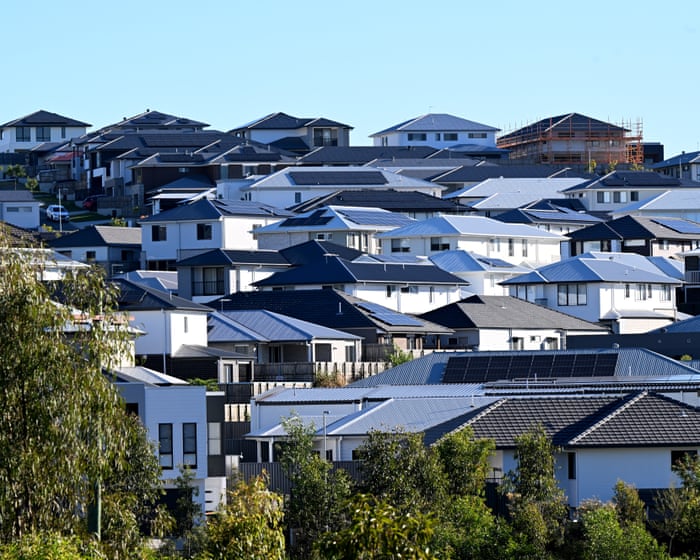
Reserve Bank of Australia governor Michele Bullock has said the housing market cooled more than the central bank expected following interest rate rises in February, March and May. She attributed this partly to recent budget changes to property taxes and a broader softening in market sentiment.
While the RBA board is not meeting this week specifically to address house prices, economists say the cooling market will factor into its deliberations. Barrenjoey senior economist Jonathan McMenamin expects the board to downplay the housing market's role publicly while still citing it as a reason to hold rates steady for longer.
Two channels of impact
There is no direct mechanical link between property prices and monetary policy, but the central bank watches the indirect effects on the broader economy. One is the "wealth effect": rising prices make people feel richer and spend more, and falling prices do the opposite. The other is a "turnover effect": a hotter property market means more homes change hands, boosting demand for goods like household appliances that accompany a move.
Falling prices could also weigh on housing construction, though some economists say this has been softened by a nationwide push to increase housing supply. Westpac chief economist Luci Ellis says the housing market's weakness confirms that the current 4.35% cash rate is already sufficiently tight.
Still, Challenger chief economist Jonathan Kearns says the housing market's troubles will only marginally influence the RBA's decisions, given inflation remains elevated. He believes another rate hike is still reasonably likely. Bullock has said the key question is whether this year's three rate rises will be enough to bring inflation back to the RBA's 2.5% target within 12 to 18 months, or whether further action will be needed.