Reserve Bank of Australia to decide on interest rate hike today
Australia's central bank meets on Tuesday to set its cash rate, and a 0.25 percentage point rise to 4.85% is widely expected. It would be the fifth increase this year and the highest level in 18 years.
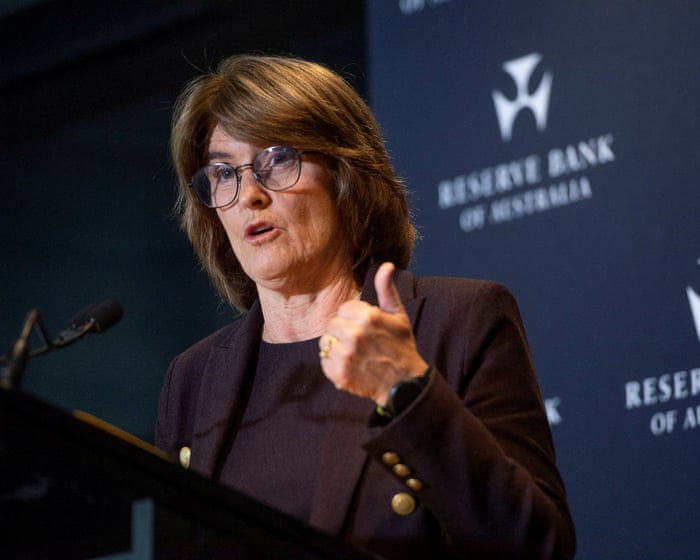
The board of the Reserve Bank of Australia meets on Tuesday, 3 November, to decide on the country's benchmark cash rate. The central bank is widely expected to raise it by 0.25 percentage points to 4.85%. That would be the fifth increase this year and the highest rate in 18 years, so the decision matters for household budgets and for the wider economy.
Government assessment
Treasurer Jim Chalmers told ABC's RN program that Australians are bracing for a "difficult decision". He said people are already under substantial pressure, and a rise would make things harder because several earlier increases have not yet been fully felt. Chalmers stressed that the Reserve Bank decides independently, but said the government still has more work to do to make the budget as tight as possible.
He also said the government is working this month on its mid-year budget update, due in December. The update involves weighing spending pressures, economic forecasts and savings options. Chalmers noted that savings were found in all eight previous updates and that there will be savings in the ninth. The expenditure review committee, a powerful government body, met on Monday and will meet again on Wednesday to discuss savings.
Political reaction
New South Wales premier Chris Minns rejected the view of some economists that the decision would be straightforward. He acknowledged the bank faces a difficult choice but warned that efforts to slow the economy must not "stop it dead". Minns said a rate rise would have a disproportionate impact on the state's economy because of NSW's high house prices.
Prime Minister Anthony Albanese defended the government's record. He is in Antigua and Barbuda for the Commonwealth heads of government meeting at the request of King Charles, and has been criticised for being abroad during the decision. He said the government works on cost of living every day and that engaging with the world strengthens both national security and the economy.

