Drivers discuss headlight glare on Latvian roads and the rules for high beams
A discussion on the social platform Threads has highlighted a common annoyance for drivers in Latvia — being dazzled by oncoming headlights. The conversation touched on possible causes, from high beams and bright LED lights to misaligned lamps, and recalled the official rules for using high beams.
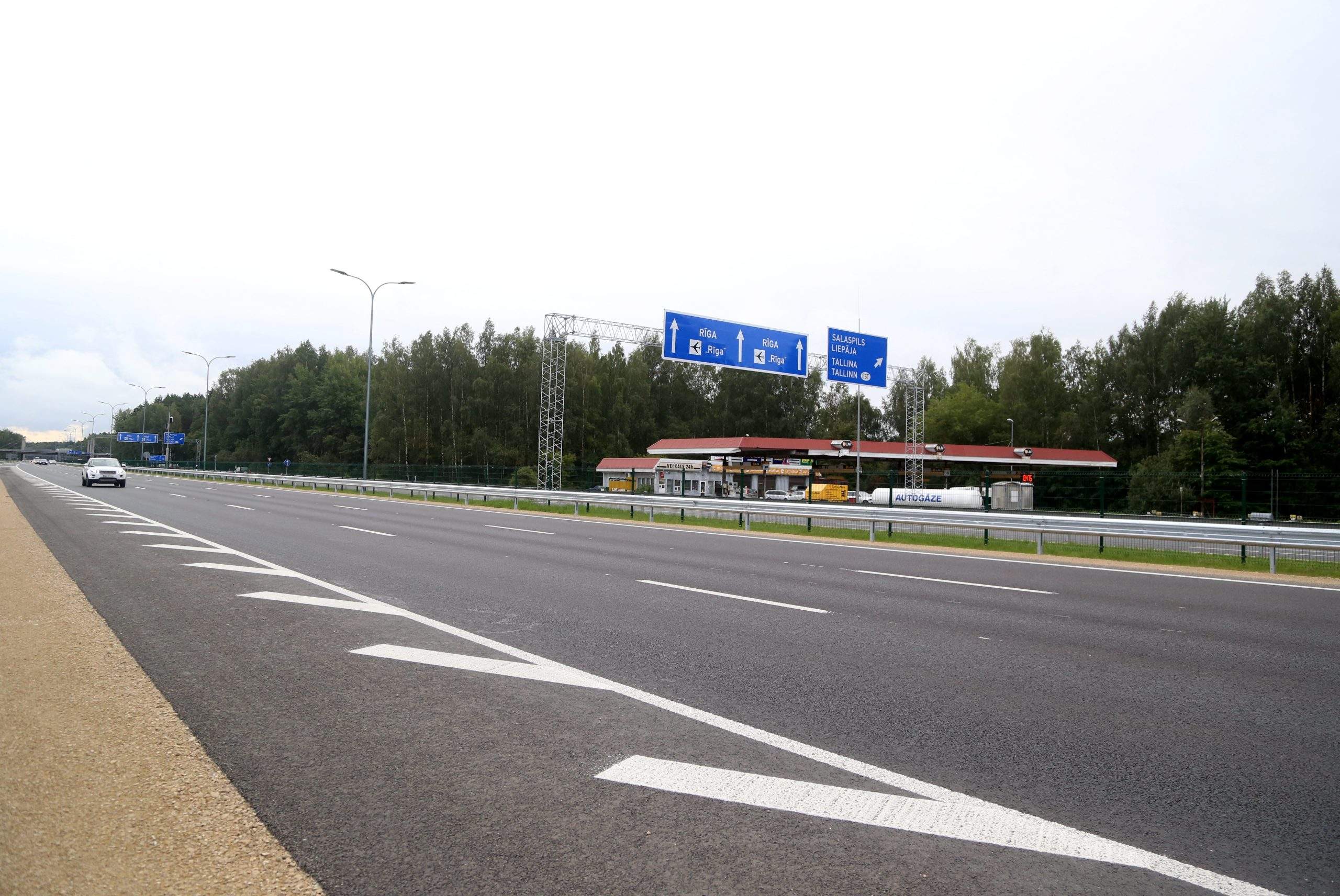
A wide-ranging discussion on the social media platform Threads has drawn attention to a problem many drivers face at night: being blinded by the headlights of oncoming vehicles. The author of the post said that when driving on a motorway in the dark, he regularly encounters drivers who do not bother to switch from high beam to low beam. He suggested that some seem to deliberately enjoy dazzling others, but also admitted that he himself has occasionally forgotten to switch his lights off. In the comments, experiences varied. Some participants argued that the issue is exaggerated: most drivers switch to low beam, and only a few need to be reminded. Others, however, said that the problem is real, but often the culprit is not the high beam at all.
Several commenters pointed to modern cars with very bright low-beam LED headlights, including certain models made for the Asian market. Another topic was automatic high beam systems, which do not always work flawlessly; one driver said he had switched to manual control after unintentionally dazzling several people. Others mentioned aftermarket LED bulbs, often from China, that can cause glare even with low beams on. There were also comments about incorrectly adjusted headlights. Specialists have previously noted that even a technically sound car can blind other road users if it is overloaded, the headlights are not aimed properly, or unsuitable bulbs have been installed.
The Latvian traffic rules contain clear requirements on the use of high beams. At night, vehicles must use either low or high beams, and fog lights may be used in conditions of poor visibility. Under point 163, high beams must be switched to low beams in built-up areas where the road is sufficiently lit, at least 150 metres before an oncoming vehicle, and at a greater distance if the oncoming driver signals the need to change. The switch must also be made in any situation where high beams could dazzle other road users, including those travelling in the same direction. The 150-metre figure is a minimum; if the road layout or terrain suggests an earlier risk of glare, drivers must switch even sooner.
If a driver is dazzled by oncoming lights, the rules instruct them to turn on the hazard warning lights and, without changing lane, reduce speed or stop if necessary.


/nginx/o/2026/09/29/17944376t1h1c7f.jpg)