Axios: Trump may walk away from 'Anchorage understandings'
US President Donald Trump signaled at the G7 summit that he may abandon the so-called 'Anchorage understandings,' a term the Kremlin uses to claim that the US supports transferring all of Donbas to Russia in exchange for freezing the front line.
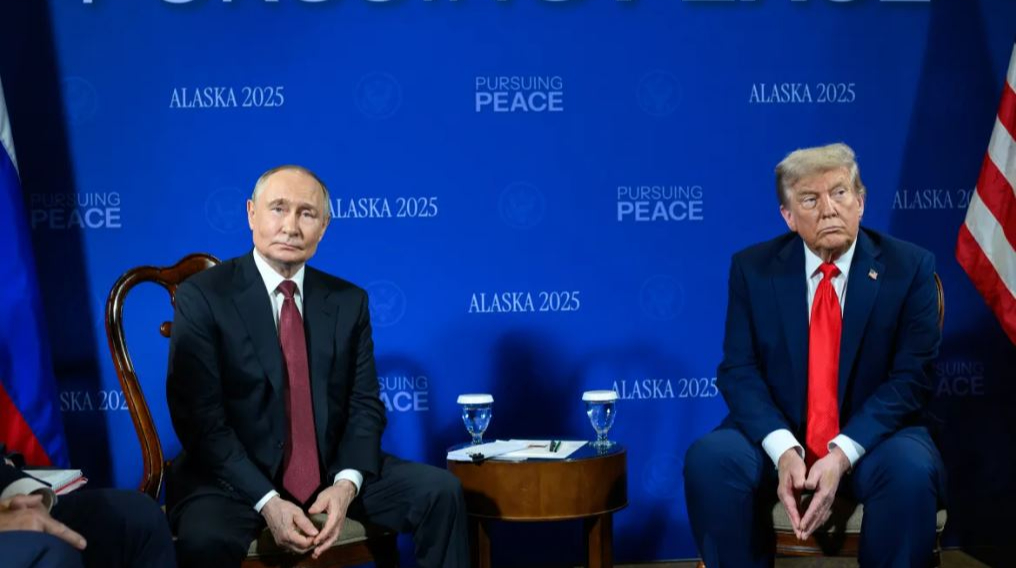
US President Donald Trump hinted during the G7 summit in France last week that he might back away from the so-called 'Anchorage understandings' – a term the Kremlin has used to describe its belief that the US supports handing over the entire Donbas region to Moscow in return for a temporary freeze of the front line.
Trump, who met Ukrainian President Volodymyr Zelenskyy at the summit and had previously spoken with Russian dictator Vladimir Putin, noted that Ukraine is currently 'doing pretty well' in the war.
Officials present at the summit said Trump expressed frustration with Putin and even hinted that he might abandon the 'Anchorage understandings,' under which the US allegedly agreed to Russia's demand for control over all of Ukrainian Donbas as part of any peace deal. 'Trump was skeptical about everything regarding Putin, and talked about pressure on Russia, but other leaders do not believe he will actually do something about it,' one official told Axios.
Kremlin aide Yuri Ushakov and Russian Foreign Minister Sergei Lavrov have accused the United States of betraying the 'spirit of Anchorage.' Senior Russian officials have claimed that the US has walked away from commitments it supposedly made during the Trump-Putin meeting in Alaska in August last year. Lavrov also recently argued that US actions indicate Washington is abandoning its claim to be an impartial mediator in efforts to resolve Russia's war against Ukraine.
In response, US Secretary of State Marco Rubio stated that no agreements on Ukraine were reached during last year's summit between Trump and Putin. The phrase 'spirit of Anchorage' (also referred to as the 'Anchorage understanding') has long served as a key element of Russian diplomacy and propaganda. The Kremlin has used the term to promote its belief that Trump supported Russia's main demand: the handing over of the whole of Donbas to Moscow in exchange for freezing the line of contact. Although the US has never officially confirmed that any such agreement existed, Russia has repeatedly used the phrase to create the impression that Washington accepted these terms.