Baltic states grapple with sharp birth rate decline, no easy fix in sight
Latvia, Lithuania and Estonia are all experiencing fertility rates below the EU average, and their governments have yet to find an effective way to reverse the decline.
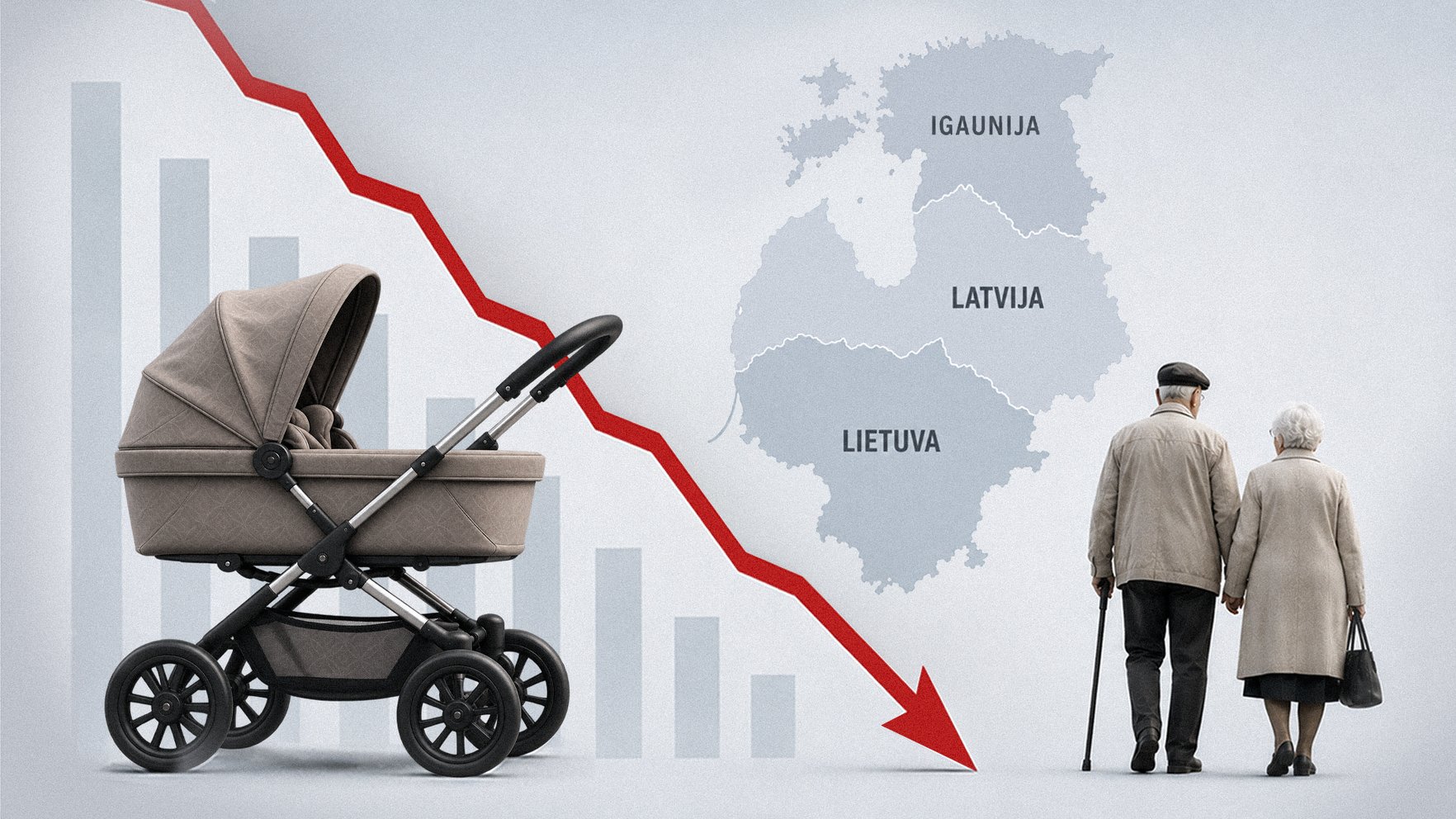
More than three decades after regaining independence from the Soviet Union, Latvia, Lithuania and Estonia now face a shared challenge: a rapidly falling birth rate. While all three governments have introduced various forms of support for families and initiatives encouraging parenthood, none has yet found a truly effective solution.
As part of an international project, the Delfi news portal compiled the latest statistics from all three countries and interviewed demographic experts to assess the current situation and what it might mean for the future.
Latvia leads, but still falls short
According to available data, Latvia had the highest total fertility rate among the Baltic states in 2025, at 1.17. Estonia followed with 1.16, while Lithuania recorded just 0.99. All three figures remain below the European Union average of 1.34. Demographers note that a rate of at least 2.1 is needed to ensure generational replacement, meaning none of the Baltic states currently comes close.
Lithuania sees the steepest drop
The situation is particularly concerning in Lithuania, where the State Data Agency reported earlier this year that only 17,478 children were born in the country in 2025, with the fertility rate falling to 0.99. The figures have reignited political debate in Lithuania over what measures could encourage families to have more children.
While the decline is significant, experts point out that the Baltic states' situation is not unique — other European countries face similar demographic challenges. Still, this does not diminish the need to find solutions, as failing to do so could bring serious consequences for the labor market and an aging society.