Fears of a 'Yalta 2.0': What a Trump, Xi and Putin meeting in China could mean
Ukrainian President Volodymyr Zelenskyy is among those worried that a meeting of the US, Chinese and Russian leaders on the sidelines of the Apec summit in China could become a new 'Yalta' moment. Ukraine and other excluded countries fear the major powers could decide their fate without them.
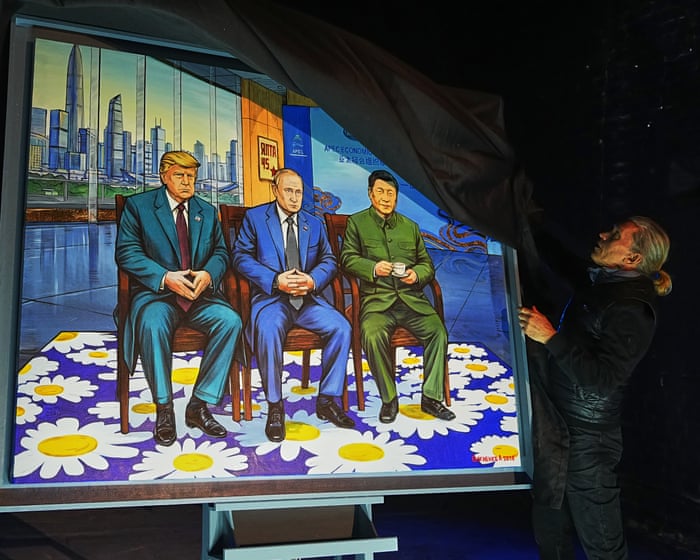
Ukrainian President Volodymyr Zelenskyy is among those who have voiced concern about a 'Yalta 2.0' scenario. The worry stems from an expected trilateral meeting next week between US President Donald Trump, Chinese President Xi Jinping and Russian President Vladimir Putin on the sidelines of the Asia-Pacific Economic Cooperation (Apec) summit in Shenzhen, China. Countries left out of the talks – principally Ukraine, but also eastern European and Baltic states, Taiwan and even Iran – fear they could be sacrificed in a deal between major powers.
What Russia wants
Putin has long proposed re-enacting the February 1945 Yalta conference, where Stalin, Roosevelt and Churchill met on Crimea's south coast to shape the postwar world. Russia's chief negotiator, Vladimir Medinsky, told Russian television the aim is to create a comprehensive security system in Europe that would become a 'new modern Yalta or Potsdam'. Russian foreign ministry spokesperson Maria Zakharova said the summit could mark a return from chaos to stabilisation.
No one knows what will happen if the three leaders meet, or whether China will allow more than a protocol-driven exchange of statements. China is already trying to keep nuclear disarmament off the agenda. The author notes the meeting may prove to be little more than geopolitical theatre that Putin can use at home.
The historical reference
Outside Russia, Yalta is widely seen as a symbol of cynical deal-making. Roosevelt secured Russian support for a new international organisation and for the war against Japan, while accepting Russia's presence in Poland. In 2005, George Bush told an audience in Latvia that Yalta had 'consigned millions to communist captivity'.
China's position
The US and Russia are heading to the summit hoping China can help extricate them from wars of their own choosing. Beijing is wary: it sees Ukraine as a European security matter, is unwilling to betray Putin, but would not endorse a settlement made without Europe's agreement. Backing Putin's vision would anger Germany and the European Commission.
Experts differ. John Ikenberry believes a viable alliance of democracies exists, while Charles Kupchan of the Council on Foreign Relations says the world must learn to work with autocracies.