BBC documentary examines British Muslim life 25 years after the 9/11 attacks
Journalist Mobeen Azhar's new BBC documentary traces 25 years of rising Islamophobia in Britain and how Muslim journalists have responded to it. The Guardian's reviewer finds it less satisfying than his earlier work, but praises its willingness to tackle hard topics.
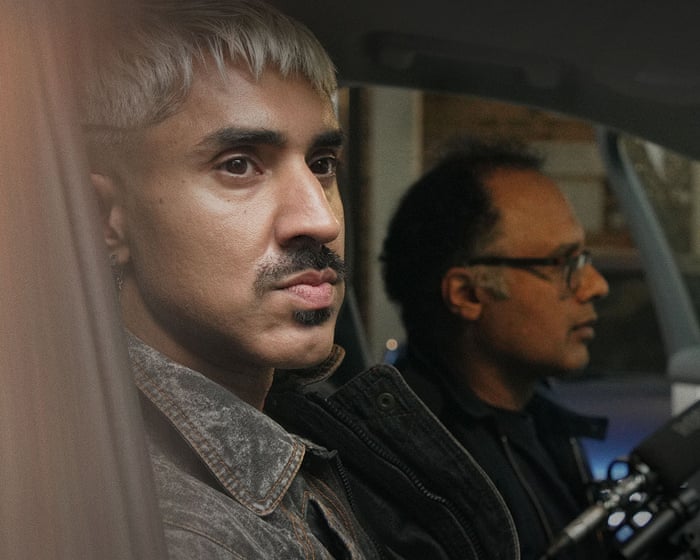
British journalist Mobeen Azhar has made a new BBC documentary, Being Muslim After 9/11, which looks at how Islamophobia has grown in the UK over 25 years and how Muslim film-makers and journalists, himself included, have reacted to it. The Guardian has published a review of the film.
At the centre of the film
Azhar teams up with an older documentarist, Masood Khan, who co-directed the programme and is often seen in Azhar's passenger seat with a handheld camera. Their first visit is to Salma Yaqoob in Birmingham. Her political career began after she was spat at in the street soon after the 11 September 2001 attacks. In 2003 she helped organise the biggest political demonstration in British history, against the planned invasion of Iraq.
Questioning the media's own role
Azhar explains that radical Islamist agitators took advantage of the situation, preaching against integration and in favour of violent resistance. He and Khan made films about the phenomenon at the time; now they are prepared to listen to people who think that was a mistake. Community leaders Alyas Karmani in Bradford and Farasat Latif in Luton, who have worked to deradicalise local Muslim men, accuse Azhar of fuelling Islamophobia by giving too much attention to an unrepresentative fringe.
In Lowestoft, Azhar meets Ivan, a former organiser for the far-right English Defence League (EDL). Ivan says the EDL used the 2007 film Undercover Mosque and Stacey Dooley's 2012 BBC documentary My Hometown Fanatics as recruitment videos, and that he himself was radicalised by media appearances of the extremist preacher Anjem Choudary.
A weary ending
In the closing scenes Azhar admits he feels worn down by the events of 2017, when terror attacks at Westminster Bridge, London Bridge and the Manchester Arena were followed by a retaliatory attack on a north London mosque. In 2026, when Stephen Yaxley-Lennon, known as Tommy Robinson, campaigns against Islam on the streets of London, Khan chooses not to go and cover it. The reviewer concludes that the film is less satisfying than Azhar's previous work, but that it airs views other journalists would avoid.