BBC faces 'real jeopardy' as licence fee payments fall faster than expected
The number of BBC licence fee payers dropped by 539,000 to 23.3 million in the past year, a steeper decline than anticipated. The corporation warns its funding model is outdated and poses a 'moment of real jeopardy' for public service broadcasting.
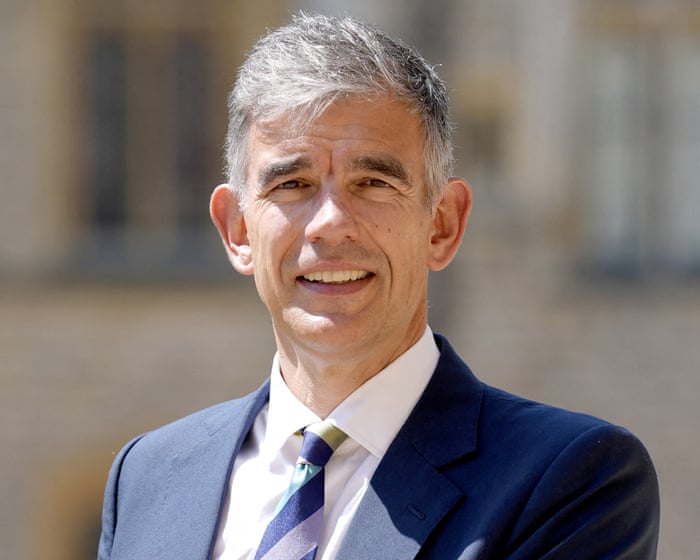
BBC director general Matt Brittin has said the broadcaster faces a 'moment of real jeopardy' as licence fee payments decline faster than expected. According to the corporation's annual report, there are now 23.3 million TV licences in force, a fall of 539,000 from a year earlier, significantly more than the 300,000 drop recorded the previous year.
The report concedes a 'steeper projected decline in licence fee sales', with households increasingly opting out. BBC licence fee income in real terms is about £1.2 billion lower, roughly 25%, than in 2017, when its current royal charter was agreed. The broadcaster is aiming to make around £500 million in savings over three years, with as many as 2,000 job losses planned.
Brittin said the BBC faces 'real challenges' and is conducting a root and branch review of what it produces. He added that the savings will inevitably impact what the BBC makes and how it delivers content. The report also reveals the BBC's top on-air earners: former top earner Scott Mills earned £750,000 before being sacked over personal conduct allegations. The current highest earner is radio presenter Greg James (up to £445,000), followed by Stephen Nolan (£430,000), Vernon Kay (£410,000), and Laura Kuenssberg (£410,000).
BBC chair Samir Shah acknowledged the impact of recent controversies, including editorial breaches related to a Panorama edit of President Trump's speech and the documentary 'Gaza: How to Survive a Warzone', as well as broadcasting errors at Glastonbury and the Bafta film awards. He said these mistakes affect confidence in BBC journalism and trust in the institution.
The BBC is exploring options to update the licence fee, including expanding it to cover streaming services like Netflix, Disney+, or Amazon Prime. Brittin has proposed replacing the licence fee with a household levy, but ministers have ruled this out as a new tax. The BBC also reported an operating loss for the third consecutive year, a deficit of £121 million in 2025-26, despite £3.9 billion from licence fees and £2.1 billion from its commercial arm.