Belgium Steers Ukraine Toward Next Year's European Loan Instead of Russia's Frozen Cash
Belgium is pointing Ukraine toward a European loan expected next year, since the principal of Russia's frozen assets remains locked by one government's objections.
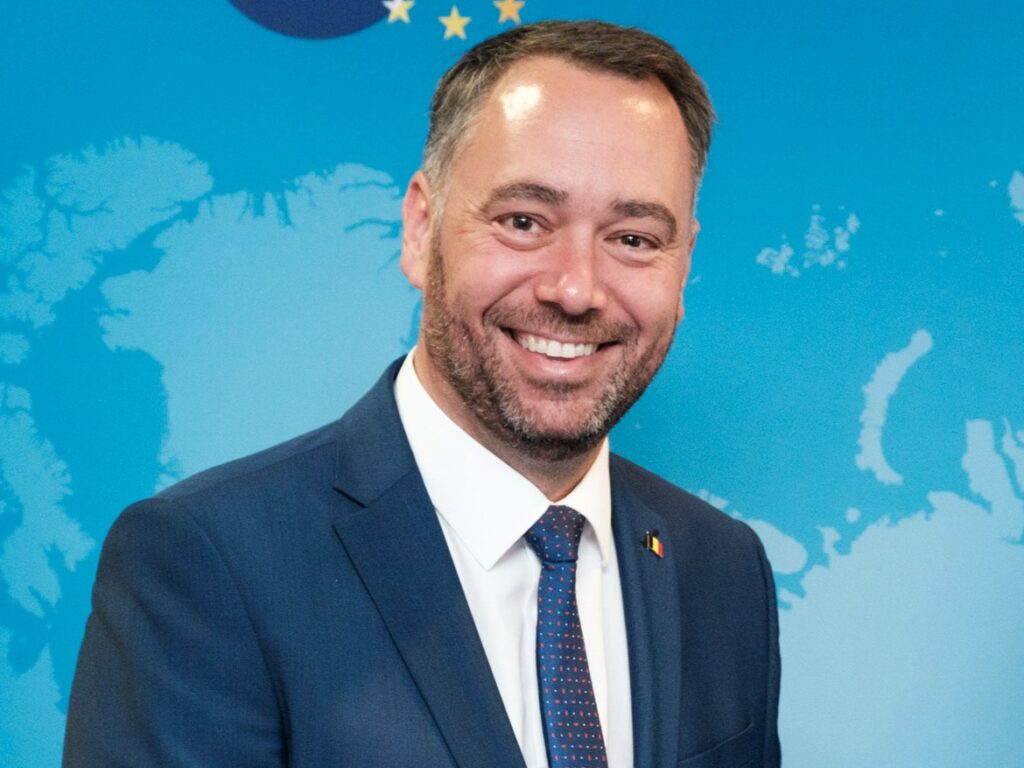
A new path for financing Ukraine is taking shape — a European loan planned for next year, which Belgium is encouraging Kyiv to rely on rather than seeking direct access to Russia's frozen financial assets.
Earnings generated by the immobilized Russian funds are already being used to back an earlier European loan. In other words, the interest and other returns produced by the blocked assets are not being spent outright, but instead serve as financial cover for existing commitments already made to Ukraine.
The principal stays out of reach
At the same time, the underlying principal of the frozen Russian funds remains inaccessible. Broader use of that sum continues to be blocked by objections from one government, preventing the unified decision needed to redirect the money toward supporting Ukraine.
The situation reflects a longer-running disagreement among European parties over how to handle funds that belong to Russia but are immobilized within Europe. While some parties favor a more active use of these assets, one government maintains objections that keep a joint decision out of reach.
As a result, Ukraine's financing currently rests on a combined approach: covering the earlier loan through income generated by the frozen assets, alongside hopes for a new European loan expected next year. That loan could become the next step in securing funding while the question of the frozen principal itself remains unresolved.