Burnham weighs closer UK–EU ties after Brussels deal, as Europe has changed since 2016
UK Prime Minister Andy Burnham will brief MPs this week on the deal agreed with the EU in Brussels on Friday. It is the culmination of an incremental approach, but Europe has changed markedly since 2016.
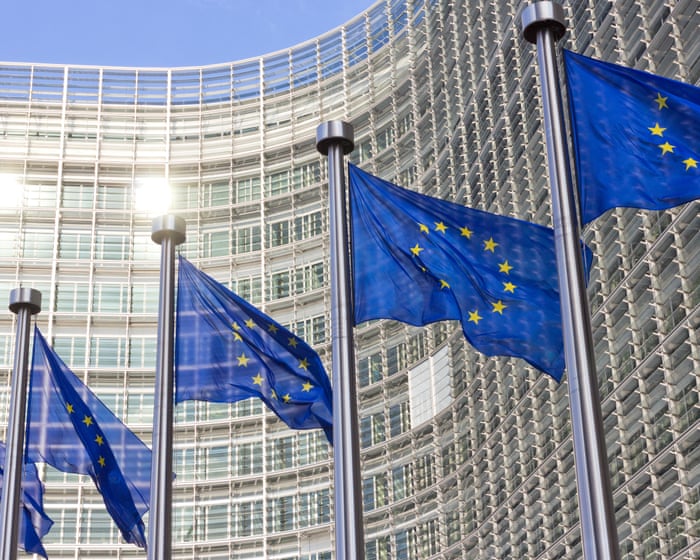
UK Prime Minister Andy Burnham will brief MPs in parliament this week on the agreement he reached with the European Union in Brussels on Friday. The briefing may reignite debate over whether Britain, which left the bloc after Brexit, should rejoin it.
The summit announced three separate deals: one on food and drink, one on emissions trading, and one on youth mobility. The latter will let British students work, live, study and travel in the EU, with reciprocal access for EU students in Britain. Burnham and his foreign secretary, Ed Miliband, have both used a near-identical phrase, saying all options are "on the table".
The agreements have not yet been ratified by member states. Several, including France and Italy, have said they will not be implemented until the UK resolves a dispute over tuition fees for EU students at British universities. Mujtaba Rahman, Europe managing director at the political risk consultancy Eurasia Group, says the era of incremental negotiation appears to be over and the UK has little left to offer before it starts to resemble a cherrypicking state.
What has changed in Europe
Rahman points to several developments. First, Europe has moved to the right since 2016: far-right parties govern in the Czech Republic and Italy, and their support is rising in Austria and Germany, even though Viktor Orbán lost Hungary's election this year. Much depends on next year's French elections, where Marine Le Pen, now favoured to win, wants to cut France's contribution to the EU budget.
Second, the EU's Made in Europe strategy uses public money to support goods made in the single market and could harm the UK car industry, which relies on European buyers. Third, the EU's Security Action for Europe (Safe) defence fund offers up to €150bn in loans to member states. Britain refused to pay the contribution Brussels wanted for taking part, though a deal remains possible.
Burnham is reportedly determined to take the UK back into the EU, but no progress is expected before the next general election.