Burnham puts Trident renewal at heart of defence and reindustrialisation
Prime Minister Andy Burnham will visit Barrow-in-Furness to stress the role of the Trident nuclear programme in Britain's reindustrialisation, announcing £8.4bn in contracts that will create thousands of jobs.
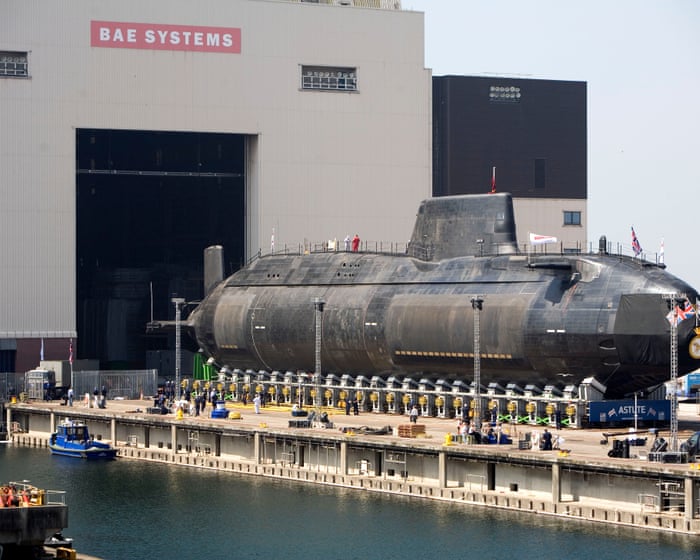
Andy Burnham will travel to Barrow-in-Furness on Thursday to place the renewal of Trident at the centre of his vision for a reindustrialised Britain. The new prime minister intends to argue that defence spending on projects like the £31bn Dreadnought-class submarines is a case study of taxpayer investment revitalising communities across the UK.
New contracts and jobs
Downing Street said a new phase of contracts worth £8.4bn, part of the already agreed Dreadnought programme, will help support 18,000 extra jobs in nuclear defence by 2030 and 22,000 additional apprentices by 2035. "To every young person across the country, I want you to know that there is a path for you into a reindustrialised Britain, and it starts with the apprenticeships we are funding through this investment today," the prime minister added.
Political background
The visit also provides an opportunity to reinforce Burnham's pro-Trident credentials. He voted to build the new submarines in 2016, when the Labour party split over the issue and its then leader, Jeremy Corbyn, voted against. New Defence Secretary Wes Streeting and Chancellor John Healey also voted in favour, while Louise Haigh, a key figure in Burnham's team who runs the new office of the prime minister, voted no.
Defence spending and NATO commitments
Burnham, who has had limited previous engagement with foreign and defence policy, entered office just over a week ago. He immediately endorsed a NATO commitment to increase defence spending by over £25bn a year to reach 3.5% of GDP by 2035. A row over whether his predecessor, Keir Starmer, was serious about the pledge led to Healey's shock resignation as defence secretary. Healey had called for military budgets to hit 3% of GDP by 2030 as an interim target. However, at a press conference on Wednesday, Burnham declined to commit to hitting 3% by 2030, instead referring to the UK's existing pledge to meet the NATO target of 3.5% by 2035.
Dreadnought programme details
The new Dreadnought submarines are intended to replace the ageing Vanguard-class submarines. Each existing submarine can carry 40 nuclear warheads. The largest share of the latest phase of work is being awarded to BAE Systems, owner of the Barrow shipyard, which has received a new £5.9bn contract to complete the build of the first four new boats. The first submarine, HMS Dreadnought, is expected to be ready for service in the early 2030s. The overall £31bn programme is so complex it includes a £10bn contingency to cover overspends, and has been placed on amber alert by government procurement monitors. Trident warheads are designed and built at AWE in Aldermaston and Burghfield, while Rolls-Royce in Derby builds the nuclear reactors for the Dreadnought and other Royal Navy submarines.
