Children's hospital chief: child health must become a visible national priority
Children's Hospital board chairman Valts Ābols argues Latvia needs a connected, coordinated child health system, since children cannot advocate for themselves politically. He calls for systematically assessing how state decisions affect children's wellbeing.
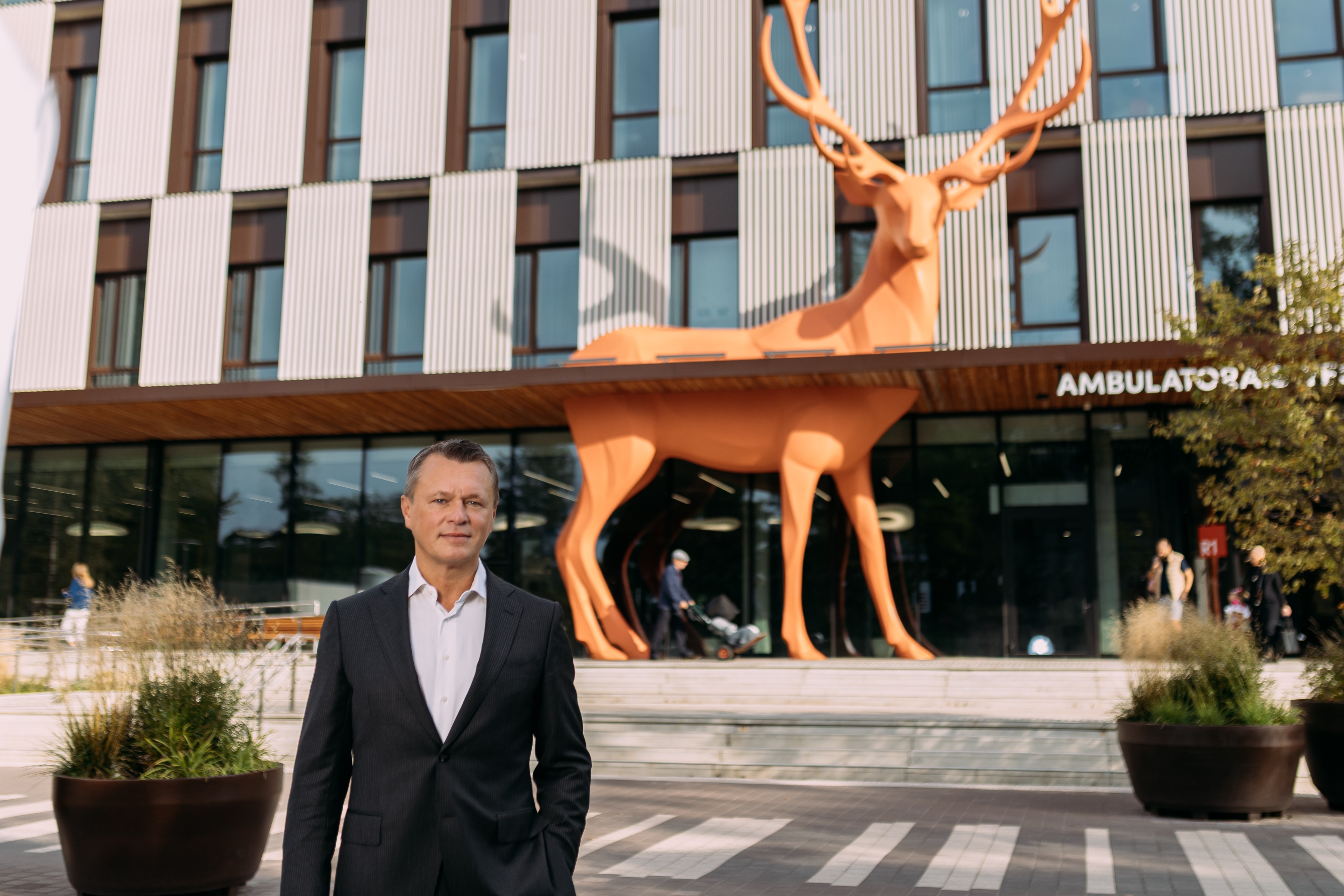
Valts Ābols, chairman of the board of Latvia's Children's Hospital, has shared reflections based on a paper from colleagues in CHIEF (Children's Hospitals International Executive Forum), an international community of children's hospital leaders. The paper was prepared by senior executives from leading US, Canadian and British children's hospitals as a basis for discussions with hospital boards, donors and policymakers.
A children's hospital is not just a smaller adult hospital
The central idea is that a children's hospital is an organizationally distinct system with its own expertise, infrastructure and research focus, because medical decisions made in childhood can affect a person for decades. The return on investment in children's health often only becomes visible decades later, in the form of healthier adults and greater societal productivity.
Three systems: care, advocacy, leadership
The CHIEF colleagues describe three interlinked roles for children's hospitals: specialized pediatric care supported by a full ecosystem, advocacy for children's interests in society and policy, and leadership in developing the pediatric system as a whole.
Ābols stresses that complex pediatric care and childbirth require a sufficient volume of patients to sustain team competence — so in Latvia, everyday care should remain close to home, while complex care should be concentrated where sufficient experience exists. He argues regional hospitals, family doctors, social services and the Children's Hospital should function as one connected network, with the Children's Hospital acting as a national competence center providing consultations, standards and training nationwide.
Children cannot fight for their own priority
Ābols notes that children cannot vote or take part in budget negotiations, making children's health vulnerable amid competing political priorities. He proposes systematically assessing how major state decisions affect children's health, similar to the "Health in All Policies" approach, and setting clear, measurable child wellbeing outcomes that the government would regularly report on to the public.